
Last week, while having lunch at the church cafeteria, a deacon at the next table pulled out the Obamacare renewal notice. He asked if I knew how much the premiums would increase next year.
I wasn't sure, so that evening I started looking up the information one by one. I'm organizing what I found to share with our neighbors.
First, let's look at one number. According to the 2026 Open Enrollment report released by CMS, 23.1 million people nationwide chose marketplace plans or were automatically renewed.
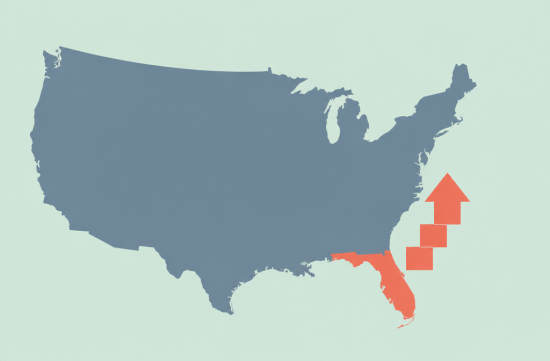
Among them, Florida is clearly in first place. According to CMS, the number of plan selections in Florida exceeded 4.47 million, which is one in five of the national enrollees.
I was surprised when I first calculated this ratio. In terms of population, California or Texas is larger, but when it comes to Obamacare, Florida is overwhelming.
Thinking about the reasons, it makes sense. There are many self-employed individuals and small businesses, and there are also many pre-retirees without employer insurance.
Our Korean community is no different. Among those running laundries, restaurants, and nail salons, there are quite a few households relying on Obamacare.
However, this year, the number of enrollees has decreased. WFSU reported that the number of enrollees in Florida dropped from 4.7 million a year ago to 420,000.
There is also an analysis of CMS data by AP. It states that 442,785 Florida residents who had Obamacare in 2025 became uninsured in 2026. The difference in numbers is due to the different criteria used for aggregation in the two reports.
The biggest reason is that the additional subsidies that increased during COVID, namely the enhanced premium tax credits, ended at the end of 2025. According to KFF, 97% of Florida enrollees were receiving these enhanced credits.
When subsidies decrease, the young and healthy individuals are the first to drop out. The remaining enrollees tend to be older and visit the hospital frequently, leading insurers to raise premiums again.
Now, let's talk about 2027. KFF analyzed the application rates from 276 insurance companies nationwide, and the median increase rate was 15%.
In 2026, the confirmed median increase rate was 20%. Adding another 15% on top of that means that premiums could rise by more than a third over the two years, according to KFF.
Specifically for Florida, 12 insurance companies have applied for increases. The highest request came from AmeriHealth Caritas Florida at 39.14%.
The lowest was from Centene Venture Co. Florida at 3.87%. There are significant differences among companies even within the same state.
However, it's important to note that these numbers are the rates requested by insurers, not confirmed figures.
The final rates will be reviewed and approved by the Florida Office of Insurance Regulation (OIR). So, there's no need to conclude that your premium will definitely increase by 39% just by reading the newspaper headline.
Additionally, those receiving subsidies may not bear the full brunt of the increase. The tax credits are designed to ensure that premium burdens do not exceed a certain level relative to income.
Ultimately, what matters is how much you will pay based on your income. You need to input your information to find out.
The 2027 Open Enrollment period starts on November 1 and ends on December 15. If you enroll during this period, coverage will begin on January 1, 2027.
In the past, there was more time until mid-January, but this time the deadline is December 15. It's easy to forget during the busy end-of-year period, so be sure to mark it on your calendar.
I recommend the following order. First, calmly calculate your expected income for next year.
Next, compare your current plan with other plans side by side on HealthCare.gov. If you leave it to automatic renewal, you might end up stuck with a more expensive plan.
Finally, check if your hospital and medications are included in the new plan's network. Even if the premium is low, it's useless if your doctor is not included.
If you have chronic conditions or take medications regularly, be sure to consult your doctor or pharmacist before changing plans. The cost of medications can vary between plans.
Honestly, I don't believe that endlessly increasing subsidies is the solution. While premiums are covered by taxes, healthcare costs continue to rise.
Still, next year's premiums are something each of us must manage. As we learned during the IMF crisis in the 90s, those who carefully examine their options tend to suffer less during a crisis.
If it were me, I would start getting quotes in the first week of November. It's much better to compare early and make a decision calmly than to rush at the deadline.
 MacaronHero








 Churros Train Conductor |
 Tora Tora |
 neroyo |
 nivex85 |
 Old English |
 Taco Bell Candy Note Blog |
 Mia Flori |

 SanAntonioNews |
 oh my salami |
  optimistic |
  Good Good |
  berion88 |
  bravo777 |
  skyblue |
  Project Tomorrow |
  apricotla |
  Soy Angelino |
  nati8 |
  NE Hodori Preik |
  washington mom |
  celtics |
  Balancework |
  round1 |
  Way to easy |
  musicque |
  road98 |
  gleeful |
  Burbank Lee |