

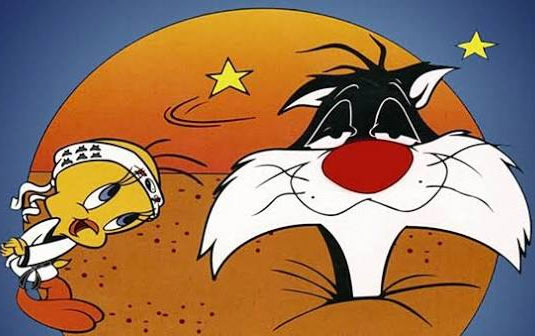
The other day, I was sitting on the couch for a while, and when I suddenly stood up, I saw something sparkling like stars in front of my eyes.
It was just like in cartoons when someone bumps their head and stars spin around; little lights were moving in front of me.
After a few seconds, it went away, but for a moment, I thought about stars.
"Is there something wrong with my eyes?" "Could it be a problem with my brain?"
So I looked it up, and it turns out that when you stand up, if your vision goes dark or you see sparkling dots and feel a bit dizzy, it can often be due to changes in blood pressure.
When you suddenly rise, gravity causes blood to momentarily pool in your legs.
Your body quickly constricts blood vessels and regulates your heartbeat to maintain blood flow to the brain.
However, if this regulation is momentarily delayed, blood pressure can drop, causing your vision to blur or darken, and you may see sparkling dots or lights that look like stars.
This phenomenon is sometimes explained in relation to orthostatic hypotension.
It can occur more frequently if you haven't been drinking enough water, haven't eaten properly, are overly tired, or have been in a hot environment for a long time.
Some medications, including those that lower blood pressure, can also have an effect.
Now that I think about it, I have had similar experiences when I was younger.
In my twenties, if I stood up too quickly and my vision went dark, I would just think, "Oh, I must have stood up too fast," and that was it.
But as I age, even if I experience the same phenomenon, my mindset about it changes.
That said, I shouldn't assume that seeing stars is solely due to blood pressure.
This is the part I pay the most attention to. If I see repeated flashes of light, or if I see lightning-like flashes in one eye, or if new black spots or floaters suddenly appear, it could indicate a problem with my eyes.
Especially if one side of my vision looks like it's covered by a curtain or if my field of vision is reduced, there could be an emergency situation like retinal detachment, so I should see an eye doctor quickly.
If I experience headaches along with zigzag patterns or flashing lights for a certain period, it could be a visual aura of a migraine.
Ultimately, what matters is "under what circumstances did I see the stars?"
If I stood up after sitting for a long time and my vision blurred and sparkled for a few seconds before returning to normal, I might consider the possibility of blood pressure changes.
On the other hand, if I keep seeing flashes or if they repeat in one eye, along with new floaters or visual disturbances, I shouldn't just brush it off as a result of aging.
Turning 50 has made me realize something.
Getting older may not just mean having more aches and pains, but it might also mean I can no longer ignore the small changes happening in my body like I used to.
Seeing stars for a moment doesn't necessarily mean I need to worry about a serious illness.
However, thinking "it's just part of getting older" and dismissing all symptoms doesn't seem like a good approach either.
These days, when I get up from the couch or bed, I intentionally move a bit slower. I also try to drink enough water.
And if I see stars again, I plan to carefully observe when they appeared, how long they lasted, and whether it was in one eye or both.
It's about paying attention to the small signals from my body that I used to overlook.
I think that's the beginning of the health management I need to focus on from now on.
 OceanValley94
 SpiegelHat






 Diana Blues |

 Dragon Lee |
 Churros Train Conductor |

 Tora Tora |

 neroyo |

 sparkling |

 Nationally Certified Lightning Charcoal Review |

 Real Estate Agent USA |
 Texas Migration Story |
 Information on Apartments Across the United States |
 urban legend |
 coolriver |
 Good Neighborhood, Wealthy District Information |
 Ro Ro Car |
 Amber H |
 new sugar |
 Palm 1000 |
 loran |
 donutfield |
 Tennis City |
 sunny7 |
 Questions about firearms while living in America |
 Shoot Me |
 mochifox |
 zucchini |
 Anna Life |
 Exciting FM Radio |
 pet dog |
 toodin |
 rosed |