

As I get older, I strangely start to think about health when I eat.
In my twenties, I could eat two bowls of white rice with pork belly and finish it off with a soda, but now I hesitate even when opening the rice cooker.
"Should I eat mixed grain rice instead of white rice?"
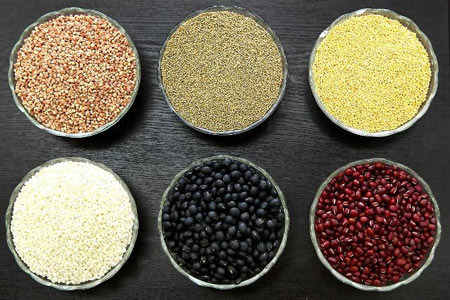
So, one day I started adding brown rice, barley, oats, and even black beans. Just looking at it, it seems like a healthy meal.
However, I found out that I had some misconceptions about mixed grain rice. The biggest advantage of mixed grain rice is its dietary fiber.
Whole grains like brown rice, barley, and oats retain more of the bran and germ compared to white rice, which has been heavily processed.
So, not only does it have more dietary fiber, but it also contains more nutrients like magnesium and B vitamins.
Having a lot of dietary fiber means digestion and absorption happen relatively slowly.
This can help reduce the rapid spike in blood sugar after meals compared to just eating white rice, and it tends to keep you feeling full longer.
For someone like me, a man over forty whose belly is starting to stick out, this is quite important.
It's better to eat a moderate amount of mixed grain rice and last through the afternoon than to eat a bowl of white rice for lunch and look for snacks two hours later.
The dietary fiber in mixed grains increases the bulk of stool and helps it pass through the intestines.
If you're a guy who usually doesn't eat much vegetables and mainly eats meat and rice, mixed grain rice can help you get some dietary fiber.
But here's the twist: you shouldn't just eat two bowls of mixed grain rice without a care.
Brown rice, barley, and oats are all carbohydrates.
While they have nutritional advantages over white rice, they don't magically turn into a weight-loss diet food just because you eat them.
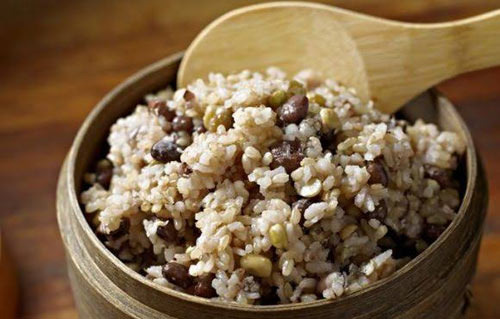
If you eat a bowl of mixed grain rice and think, "I had a healthy meal today," then pile on a lot of spicy pork and eat another bowl, the grains will feel quite wronged.
Also, just because you added a lot of mixed grains doesn't mean everyone's stomach will be happy.
If someone who usually eats only white rice suddenly increases their intake of dietary fiber with brown rice, beans, and barley, they might experience gas and bloating or increased flatulence.
Especially for those with sensitive stomachs, trying to eat mixed grain rice for health could lead to a day full of discomfort.
In such cases, it's more realistic to gradually mix in some brown rice with white rice and see how your body adapts. Drinking plenty of water is also a good idea.
Rice is still rice. Eating mixed grain rice along with proteins like eggs, fish, tofu, or chicken, and vegetables is necessary for a balanced meal.
Ultimately, my conclusion is that there's no need to think of white rice as bad food and mixed grain rice as medicine.
However, if you're going to eat rice every day, it's a good choice to replace some of it with whole grains like brown rice, barley, or oats.
This way, you can increase your dietary fiber, maintain satiety, and have benefits for blood sugar management.
But believing in the name of health food and eating a lot won't help. Finding healthy foods is important, but what's more important is eating healthy foods in moderation.
The same goes for mixed grain rice. Just because you added three more black beans doesn't mean a bowl of rice suddenly becomes a salad.
 NightSnackSci
 TexasMan
 BraveWarriors







 Khan Film Blog Production |
 dermoon |
 hoosierdaddy |
 sun walker |
 Let's Be Like a Salt-like City Person |
 Weekend Movie Blog |
 Beauty, Health, Lifestyle Blog |
 coloradoman |
 Superman Cat Blog |
 Victory 1988 |
  Korean Mom |
  My NYC |
  moo moo |
  Mr Oh |
  forevergee |
  festival |
  manchester |
  constant |
  Leapfrog Move |
  vibranto |
  Tora Tora |
  yellowbutter |
  Dolly |
  US Embassy |
  NYC saladbar |
  Finding Superfoods |
  lightyear |
  song bang |
  vexomo |
  Indiana Jones |