
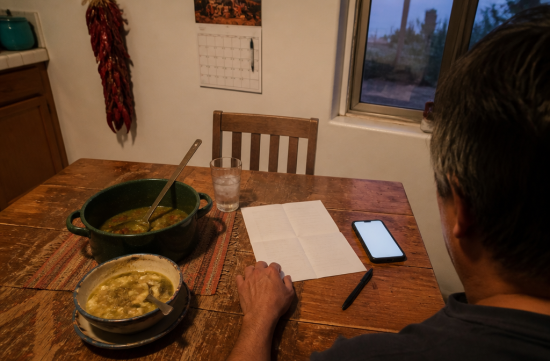
These days, I've been cooking green chili stew every evening. The spicy broth and tender potatoes make it hard to stop eating, and just a few days ago, I was chatting with a friend about insurance in front of the pot.
My friend is a self-employed small business owner who buys health insurance through BeWell. A cousin living in another state was shocked by this year's insurance premium bill, but my friend said there was no significant difference for them.
Curious, I looked into it and found the reason was clear. New Mexico had completely filled the gap left by the eliminated federal subsidies with its own budget.
Let me provide some background. The enhanced premium tax credit created by the American Rescue Plan in 2021, which is the additional subsidy for Obamacare, is set to expire on December 31, 2025.
Thanks to this additional subsidy, even those with incomes exceeding 400% of the federal poverty line (FPL) received support, and benchmark plan premiums were capped at 8.5% of income. When Congress did not extend it, those above 400% were completely excluded from federal subsidy eligibility.
The New Mexico legislature allocated $22.3 million in the 2025 regular session to protect subsidies for those below 400%. Then, in a special session, they added another $17.3 million to cover the first half of the year for those above 400%.
400% corresponds to an annual income of $128,600 for a family of four. For those below this threshold, the New Mexico Premium Assistance program fills in the lost federal support, while for those above, the benchmark premium is adjusted to not exceed 8.5% of their income.
According to KFF analysis, New Mexico is the only state that fully covered the lost federal support with state funds. Other states' support was only partial.
The results were immediately evident in the numbers. In the 2026 open enrollment period, BeWell enrollment reached 82,407, a 15.4% increase from the previous year.
Even more surprising is that enrollment decreased in all other states that year. The state legislature's finance committee (LFC) reported that New Mexico was the only state to see an increase in enrollment.
So, what about the premiums? Before subsidies, the total premiums in New Mexico also rose by 33.2%.
However, the actual out-of-pocket costs after applying subsidies only increased from an average of $132 to $141 per month, a rise of just 6.8%. According to BeWell, the national average jumped from $113 to $178, a staggering 57.5% increase.
The LFC report indicates that 37% of enrollees pay no monthly premium after subsidies. This is possible due to the high proportion of low-income enrollees.
Notably, the selection rate for gold plans was 60.4%. The national average is 17%, so the substantial subsidies allowed many to upgrade to better coverage.
It sounds like a success story, but we should also consider the costs. This funding comes from the Health Care Affordability Fund, or HCAF, which is primarily supported by a surtax on premiums.
The LFC estimates that the state government will spend $190 million on premium and out-of-pocket support in 2026. HCAF's marketplace support expenditures have increased by 179% in just one year.
Therefore, this year, the state legislature passed HB4 to raise the surtax rate going to the fund from 55% to 95%. However, this will not take effect until September 2028.
Still, there are concerns about sustainability. The state health department (HCA) projects a deficit of $85.3 million starting in FY28, which could grow to $273.3 million by FY30.
The LFC has warned that if the current structure is not adjusted, the fund could run out by FY28. They also recommended considering cost-saving measures that would increase the burden on high-income enrollees.
Next year, 2027, is not looking easy. The state insurance department has approved an average rate increase of 24.4% for individual insurance, which is higher than the national median of 15%.
The department has stated that HCAF support will continue in 2027, and 92% of enrollees are eligible for state or federal subsidies based on income. However, it is difficult to determine if the same level of support will be maintained as this year.
Honestly, I think this is a good policy. When people give up insurance due to premium burdens, the costs ultimately fall back on hospitals and the community.
However, I also agree with the LFC's point that this situation cannot continue indefinitely. New Mexico's uninsured rate remains at 10.2%, higher than the national average of 8.2%, so we need to carefully consider where to allocate limited funds first.
So, what should we keep in mind? The 2027 open enrollment for insurance runs from November 1 to January 15.
Don't just rely on automatic renewal; make sure to enter your current income to get a new estimate. Subsidies vary based on income, age, family size, and location, so last year's numbers may not apply.
If your income is around 400%, you should pay special attention. The LFC has specifically mentioned high-income brackets as a target for adjustments.
If English paperwork is daunting, you can get help from a certified BeWell counselor. Their phone number is 833-862-3935.
Choosing a plan can depend on the medications you take or the hospitals you visit, so I recommend consulting with a counselor, primary care physician, or pharmacist before making a decision.
After our conversation, my friend took another bowl of stew and said they would go with a gold plan next year. I also hoped that this warm benefit wouldn't cool down by next year as I took a spoonful of the broth. I need to mark my calendar for November.
 WaffleRadio







 LIZ Legal Information Blog |
 Karina's Blog |
 Jimbeam 88 |
 Taco Bell Candy Note Blog |
 Splendid Mission |
 Pointy |
 Say Yes in English |
 rainyday |
 Que que |
 frostbite |
  American History This and That |
  Monte Sori |
  U donn |
  Sarah's Blog |
  Holy Cow |
  monster |
  houston mama |
  Reggae Party |
  Thou Thou |
  Tennessee Land |
  custardnew |
  Chimhanbang Korea ACU |
  See South Carolina |
  dorex |
  Taek Jun |
  Choi Cho |
  Anova US Beauty Information |
  whiskerbread |
  Yo Lock Me Up |
  pecantop |