

There was an investor looking for rental income who was exploring properties in Tucson. After seeing a property that he liked, he quickly made an offer, but later regretted not comparing it to other nearby listings. As of June 30, 2026, the average home value in the Tucson metropolitan area is $325,520, which is a 2.2 percent decrease from a year ago (Zillow). So, is Tucson currently a favorable market for buyers? With inventory at 4.7 months as of August 2026 and the median listing time extending to 82 days, the answer seems to be yes.
However, it raises the question of why he rushed to contract. Even in a buyer's market, properties that appear to have good rental yields still attract competition. The issue is that he made a decision based on just one property without comparing it to others, failing to adequately account for property taxes, insurance, and future repair costs in his budget. Arizona's property tax rate is known to be relatively low, around 0.5 to 0.7 percent based on the effective tax rate, but for investment purposes, one must also consider vacancy periods and management fees to determine the actual yield.
So, did he obtain mortgage pre-approval? This investor only began looking for a lender after finding a property he liked, which almost caused him to lose his place to another buyer. If he had secured pre-approval beforehand, he would have had a better negotiating position. He also decided on just one lender, but if he had compared rates from at least three different lenders, he could have identified differences in monthly payments.
What about the inspection? Fortunately, in this case, an inspection was conducted, but it was regrettable that he couldn't use the cost of replacing the old cooling system as a negotiation point. In hot summer areas like Tucson, the condition of the cooling system becomes a significant variable in price negotiations. It's also important to check whether he adequately calculated closing costs. Typically, closing costs are known to be around 2 to 5 percent of the sale price, and if he didn't prepare this amount separately from the down payment, he might find himself short on funds at the last minute, needing to adjust loan terms urgently. So, how much reserve did he leave? This investor nearly depleted his emergency funds to maximize his down payment. Investment properties are more likely to incur unexpected expenses, such as vacancies or urgent repairs, and if reserves are insufficient, he will have to bear the burden of loan repayments while searching for the next tenant. Even when entering for rental income, it's safer to set aside enough for at least the first year of operating expenses.
Was there any emotional rushing involved? It is also regrettable that he made a decision based on the perceived rental yield without adequately considering commuting convenience, management ease, and future resale potential. In a buyer's market, there is often no need to rush, but when a desirable property is found, it is common to forfeit that patience. Actions that could jeopardize credit status, such as applying for a new credit card or taking out another loan, should also be avoided before a major expenditure. Changes in credit score or debt-to-income ratio after pre-approval could lead to worse loan terms at the last minute.
Among Korean investors, Tucson is considered a relatively low-entry market within Arizona. However, rental income is not guaranteed, and one must also consider that vacancy rates and local rental demand can fluctuate. If the purchase is for personal residence, it is advisable to check the GreatSchools ratings and assigned schools directly before buying. Rental and sales prices can vary significantly by season and area, so it is safer to compare recent sales and rental prices of several nearby properties rather than judging the entire market based on just one listing. This article is not investment advice, and it is safer to consult real estate and tax professionals before finalizing any contracts.
 mooncloudtraveler2015
 UrbanGarden76






 |
| 
 Premium Gas Camp |
 CA Real Estate |
 cheesepup |
 breezem |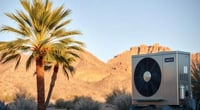
 Who's watching? |

 Project Tomorrow |

 AZ Road Master |
  Sammy Beach |
  Bliss O |
  blue ocean |
  greenlight |
  Watanaka Karametibaksa |
  castle |
  xelton52 |
  carefree |
  vrixen73 |
  Victory 1988 |
  summita |
  business lim |
  Colorado Lee |
  Make My Day |
  Fros Pro |
  lioness |
  La Bean |
  American History This and That |
  Monte Sori |