
As the year-end approaches, a box floats in my mind. A gift box to send to Korea. However, this year, there's an additional number on top of that box.
While checking the fuel surcharge records on the FedEx website, I put my coffee down. The fuel surcharge for the second week of September was 40.25%, and the following week it was 42.50%.
This means that there's an additional fuel cost exceeding 40% on the base fare. It's not like the box is drinking fuel while flying.
UPS is in a similar situation. In May of this year, they raised the international fuel surcharge twice, and starting June 1, they added another 1.0 percentage point to international air and ground services.
On top of that, seasonal rates apply. FedEx will charge an international demand surcharge from September 21 to February 7 of next year, which hits heavier for larger or heavier packages.
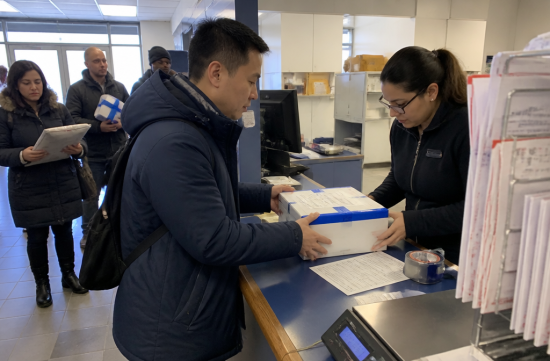
So, my conclusion this year is simple. If you're sending gifts to Korea, let's first check the post office, specifically USPS.
USPS international packages do not have the fuel surcharges that change weekly like private couriers. The prices listed on the rate chart are just that, so it's comforting.
Did you see the news that USPS will raise rates at year-end? That's right, there will be a temporary increase from October 4 to January 17 of next year.
However, that increase only applies to domestic packages like Priority Mail and Ground Advantage. International mail to Korea is not subject to this holiday surcharge.
Of course, the international rates themselves already increased once on January 18 of this year. Still, it's a relief that it won't jump again at year-end.
The service I use the most is the Priority Mail International Flat Rate box. The price is determined by the box size, regardless of weight.
According to the post office, the Small box starts at $33.75, the Medium at $61.80, and the Large at $75.15.
The Small box can hold up to 4 pounds, while the Medium and Large can hold up to 20 pounds. It's more beneficial to pack heavier and smaller items rather than lighter ones like seaweed or snacks.
For example, if you fill a Medium box with a few bottles of supplements or several books, the cost per pound drops significantly. Conversely, bulky items like puffy jackets might be cheaper with weight-based rates than flat rates.
Sometimes, if you buy labels online, you can get a slightly cheaper commercial rate compared to the post office. It's about a $1 difference for a Small box, which isn't huge, but it adds up if you have several boxes.
The delivery time is usually about 6 to 10 business days. Tracking is available, and items are insured up to $200 by default.
Now, let's talk about the most important dates. According to USPS's recommended shipping dates, to receive packages in the Asia-Pacific region, including Korea, you need to send them by December 9.
Both Priority Mail International and First-Class Package International have a deadline of December 9, while the faster Priority Mail Express International is December 16.
These are recommended dates, not guaranteed dates. I had an experience last year where I sent a package right before the deadline, and it arrived with New Year's greetings, so this year I plan to finish by the end of November.
Don't forget about customs duties on the receiving end. Just because a gift is free doesn't mean the Korean customs will treat it as such.
When sending by mail, the duty-free threshold is for items valued under $150. For items subject to customs clearance from the U.S., the threshold is $200, but excluded items like food or health supplements have a limit of $150.
The scary part is that if you exceed the limit by just $1, taxes will apply to the entire amount. So, it's better not to cram everything into one box and to send them separately. However, if you send multiple boxes to the same person on the same day, they may be combined, so space them out.
It's ultimately fastest to honestly list the items and their prices on the customs declaration form. If you're unsure, check the customs agency's estimated tax inquiry page in advance.
In summary, here's what to remember: small and heavy items go in Flat Rate boxes, large and light items should be compared by weight, keep the price under $150, and send by December 9.
Only use private couriers for urgent documents or items that must meet a specific date, and make sure to check if the estimate includes the fuel surcharge.
Personally, I believe that public services like the post office play their role in situations like this. Having predictable prices instead of fluctuating rates based on fuel costs is a significant safety net for everyday people.
This weekend, I plan to go to the post office and pick up a few empty Flat Rate boxes. Since the boxes are free, I already feel like I'm saving money just by that.
I hope you all pack early this year and get to see your family in Korea unboxing their gifts over video call before Christmas.
 Have4Vibes








 kuku 100 |
 novent |
 Silent Sea |
 Pointy |
 Idaho's Sumi's House |
 Holey Moley |
 Cool Beach Freeway |
 washington mom |
 Another Eden Channel BLOG |
 Washington Denzel DJ |
  bubblo |
  tartbear |
  Washington Monument |
  Forever Young |
  crystalx |
  Spaghetti Flying Religion |
  lunarpath |
  sprinkletop |
  bongo |
  savannah choi |
  Successful Manager Kim's Team |
  crystalo |
  Canvas Pro Blog |
  Time Management Enthusiast |
  Cap Com |
  nixxon |
  kevin Kim |
  beerdreamer |
  Kims Spring |