

Alabama is a region that produces a variety of agricultural products thanks to its mild climate and rich soil in the southern United States. Here are five major agricultural products that stand out.
Cotton
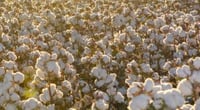
Alabama has been known for cotton cultivation for a long time. The warm climate and long growing season provide optimal conditions for cotton crops, making a significant contribution to the state's economy. Cotton is not only used in the textile industry but also serves as a key raw material for various industrial uses, establishing itself as an important pillar of Alabama agriculture.Peanuts
Alabama is one of the peanut-growing regions in the United States, producing high-quality peanuts thanks to its rich soil and adequate rainfall. Peanuts are utilized not just as a food ingredient but also as a major component in peanut butter, snacks, and various processed foods, playing a significant role in the state's agricultural exports.Poultry
Alabama also excels in poultry, particularly chicken and egg production. With efficient breeding systems and healthy breeds, it produces high-quality poultry products that are in high demand both domestically and internationally, making up a large part of the state's agricultural economy.Soybeans
Soybeans are one of Alabama's major crops, used for cooking oil and feed. The climate in Alabama provides suitable conditions for soybean cultivation, and it plays an important role in crop rotation systems, helping to maintain soil health. Soybeans are gaining attention for their high potential in various industries, including processed foods and biofuels.Corn
Corn is another key crop produced in Alabama. Primarily grown for feed, it is also used for processed foods and ethanol production, supplying not only Alabama but the entire United States. Corn cultivation is also regarded as a stable source of income for the state's agricultural economy.
In this way, Alabama produces a variety of agricultural products such as cotton, peanuts, poultry, soybeans, and corn, maximizing the unique characteristics and industrial utilization potential of each crop. This diverse agricultural production serves as a foundation for Alabama to continue playing an important role in the U.S. agricultural market.






 US Embassy |
 fortbliss |
 Folding Instructions |
 yentra |
 Cali M Law Group |
 Information on All Regions of the United States |
 Alabama Bang |



 Skyline |
  Korean Mom |
  My NYC |
  moo moo |
  Mr Oh |
  forevergee |
  festival |
  manchester |
  constant |
  Leapfrog Move |
  vibranto |
  Tora Tora |
  yellowbutter |
  Dolly |
  NYC saladbar |
  Finding Superfoods |
  lightyear |
  song bang |
  vexomo |
  Indiana Jones |