
These days, when I talk to retirees around me, there's a topic that always comes up. They say things like, "I just went to Juarez for a crown."
At first, it's easy to think they're just going because it's cheaper. However, if you look a little deeper, it's not just about the price.
The biggest reason is the gaps in Medicare. Original Medicare, which includes Part A and B, does not cover routine dental care like scaling, cavity treatment, dentures, or root canals.
There are exceptions, but they are very limited. Some dental services related to medical necessity, like pre-surgical oral exams or radiological treatments, are covered only in specific cases.
Ultimately, those who only have Original Medicare end up paying almost all dental costs out of pocket. Before retirement, they had company dental insurance, but once that ends, the difference is stark.
Many Medicare Advantage (Part C) plans include dental benefits. However, there are usually annual coverage limits, and you may have to use designated network dentists.
The problem is that as people age, the treatments they need tend to be more expensive. Treatments like crowns, implants, and dentures can quickly exceed the annual limits.
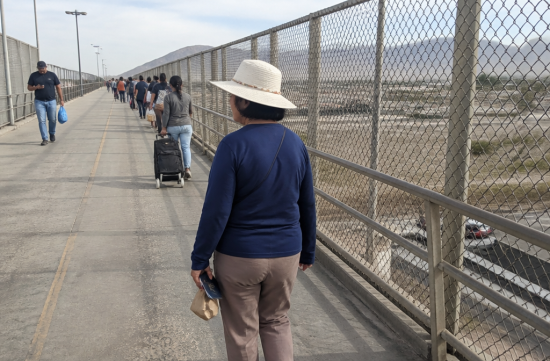
This is where the geography of border cities comes into play. Just one bridge away from downtown El Paso is Ciudad Juarez, and many people walk across.
This is a different starting point than dental tourism that involves flying far away. It's possible to cross in the morning for treatment and return in the afternoon.
There is also a clear price difference. When you get quotes for the same treatment, it's common to see significant differences between the U.S. and Mexico.
However, the comparison figures circulating on the internet are mostly from dental tourism companies, so it's hard to trust them completely. U.S. quotes often separate costs for implants, abutments, and crowns, while in Mexico, bundled pricing is more common, making direct comparisons difficult.
Therefore, I believe it's best to get itemized quotes from both sides. Be sure to ask for details on the materials used as well.
Another reason is language and culture. This area has historically functioned as a single community, so many dental offices in Juarez offer consultations in English and accept dollars.
The culture of word-of-mouth referrals, where neighbors recommend dental offices they've visited, also plays a role. Some people have been going to the same dentist for years.
That said, it's not all advantages. Medicare generally does not cover treatments received outside the U.S.
Exceptions are very narrow, such as in emergencies where a foreign hospital is closer, and routine dental care does not qualify. If there are issues with treatments received in Mexico, the costs are the patient's responsibility.
Post-treatment care is also a consideration. If a crown doesn't fit well or there are issues with an implant, U.S. dentists may be hesitant to work on treatments done elsewhere.
The CDC also highlights risks associated with overseas medical travel, including infection control, verifying the qualifications of medical personnel, and language barriers. Ultimately, choosing the right dentist is crucial.
Safety concerns cannot be ignored either. The U.S. State Department has classified the state of Chihuahua, which includes Juarez, as a Level 3, reconsider travel area.
The State Department has also set specific areas within Juarez for its officials to move around. If you plan to go, it's advisable to check the State Department's travel advisory page before you leave.
Make sure to prepare the necessary documents for your return. U.S. citizens re-entering by land need a passport, passport card, or a trusted traveler card like SENTRI; a regular driver's license is not sufficient.
If you frequently cross the border, SENTRI can help reduce wait times on the bridge. Those who have stood in long lines under the blazing sun know the difference well. It's also wise to schedule your appointment considering the wait time on the bridge.
In my view, the real reasons retirees cross the border can be summarized as follows: the gaps left by Medicare in dental care, the accessibility of crossing just one bridge, and the unique bicultural environment of the area.
If cost were the only reason, so many people wouldn't be going for so long.
If it were me, I would be more cautious with major treatments rather than just simple scaling. I would make sure to get copies of my treatment records and X-rays and ask if the costs for follow-up treatments are included in the estimate.
And from October 15 to December 7, during the Medicare annual enrollment period, I will check the dental benefits of my current plan again. I will look at the annual limits and whether crowns and implants are included. There might be aspects that can be resolved within the U.S. unexpectedly.
Insurance and treatment choices vary based on individual circumstances, so be sure to confirm with your insurance company, a certified advisor, or your dentist before making decisions.
Living in a border city means having one more option. However, I believe it's important to know and utilize that option properly.
 MagicValley93




 sparkling |
 oh my salami |
 saffronroute |
 You Only Live Once |
 Texas Real Estate Blog |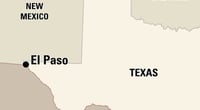
 Tomex Train Uncle |

 Spicy Immigration Life |
 clarion |
 Arizona AZ Cowboy |
  fortbliss |
  Moscow Kim |
  My Two Way |
  toastyfox |
  FLORIDA Acus |
  tracker |
  TONTON COFFEE |
  sunrise |
  ultron78 |
  uplifted |
  Folding Instructions |
  same same life |
  USA Hyundai Kia |
  morvex37 |
  BOL SA RAM |
  TOUCHE NEWS |
  Small Business Information USA |
  draxen |
  gallery |