
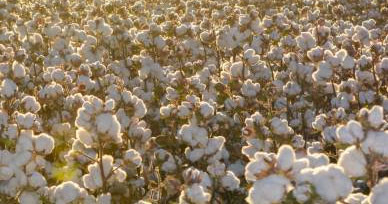
Arkansas provides a very suitable environment for cotton cultivation due to its fertile soil, adequate rainfall, and mild temperatures, maintaining high productivity and quality.
First, Arkansas's cotton industry combines traditional farming methods with modern technology, establishing a systematic cultivation and management system. In the past, it relied on manual labor and traditional cultivation methods, but recently, precision agriculture techniques, mechanized cultivation systems, and the latest irrigation and fertilizer management technologies have been introduced, significantly improving production efficiency. These technological innovations play a crucial role in increasing the yield and quality of Arkansas cotton.
Moreover, Arkansas cotton is an important raw material not only for the textile and clothing industries in the U.S. but also in international markets. Thanks to the excellent fiber characteristics of cotton, the demand for Arkansas cotton in the textile industry has been steadily increasing, positioning Arkansas as a major agricultural producer that generates economic benefits. In particular, a large-scale plantation system and an efficient supply chain have been established, ensuring a stable supply in domestic and international markets.
Additionally, the Arkansas cotton industry is also making efforts towards sustainable agricultural practices. With the gradual introduction of cultivation techniques focused on environmental protection and soil conservation, cotton is being grown in ways that minimize chemical use and consider the ecosystem. These efforts are yielding positive effects that enhance the long-term sustainability of local agriculture and meet consumer demand for eco-friendly products.
In conclusion, the cotton industry in Arkansas boasts high productivity and quality, combining the region's natural environment, advanced agricultural technology, and efficient production systems. Arkansas plays a vital role in supplying essential raw materials to the domestic and international textile industries while continuing the agricultural traditions of the Southern U.S. and seeking development paths based on modern technology and sustainability.
The main industries using cotton products play a key role in producing products that leverage the natural fiber characteristics of cotton, such as excellent moisture absorption, breathability, and durability. Notably, the following three industries extensively utilize cotton products.
The largest sector utilizing cotton products is the textile and clothing industry. Cotton is soft and has excellent wearability, making it a raw material for various clothing items such as t-shirts, jeans, and shirts. Additionally, many companies, from high-end fashion brands to popular clothing brands, use cotton to produce products that offer consumers a comfortable and natural wearing experience.
The home textile industry also plays an important role with cotton products. Cotton is widely used in various household textile products such as bedding, curtains, towels, and tablecloths. Due to cotton's excellent moisture absorption, breathability, and the ability to maintain quality after washing, it has enjoyed stable popularity in home textile products for a long time.
In the medical and industrial textile fields, cotton products are also utilized as important materials. Medical gauze, bandages, and cotton dressings are widely used in areas where the softness and moisture absorption of cotton are required. Additionally, some industrial filters and packaging materials also recognize the eco-friendly characteristics of cotton, which is developing in a direction that maximizes the advantages of cotton as a sustainable material.







 The Day the Sun Rises |
 US Home Buying Information Home Insurance |



 Information on All Regions of the United States |
  Korean Mom |
  My NYC |
  moo moo |
  Mr Oh |
  forevergee |
  festival |
  manchester |
  constant |
  Leapfrog Move |
  vibranto |
  Tora Tora |
  yellowbutter |
  Dolly |
  US Embassy |
  NYC saladbar |
  Finding Superfoods |
  lightyear |
  song bang |
  vexomo |
  Indiana Jones |