

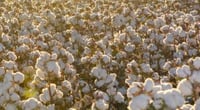
Alabama has long been a center for cotton production thanks to its fertile soil and warm climate. In particular, the Black Belt region within the state provides an optimal environment for cotton fiber production, as its soil is rich in organic matter and allows for proper drainage, playing a significant role in producing high-quality cotton fiber.
Montgomery, located in the heart of Alabama, preserves the traditional agricultural heritage of the American South. This area has served as an important hub for cotton production for a long time and has developed alongside the dynamic growth of Alabama's entire cotton industry.
Historical and Cultural Background
Montgomery is not only the political and administrative center of Alabama but also has a deep agricultural tradition related to cotton production. The warm climate and fertile soil of the South provide optimal conditions for cotton cultivation, and historically, the Montgomery area has been home to large cotton plantations that significantly contributed to the development of the American cotton industry. Additionally, the cotton industry has formed an important part of Southern culture, continuously impacting the lives and economy of local residents.
Climate and Soil Conditions
Like the rest of Alabama, Montgomery boasts a warm climate and adequate rainfall. Particularly, the warm temperatures and moderate rainfall during spring and summer help cotton plants thrive, and the Black Belt region is considered an ideal growing medium for cotton cultivation. This soil is rich in organic matter and has excellent drainage, greatly aiding root development and ultimately serving as the foundation for producing high-quality cotton fiber.
Modern Cultivation Techniques and Technology
Recently, cotton cultivation in the Montgomery area has been conducted in a manner that combines traditional methods with the latest agricultural technologies. Farmers are adopting precision agriculture techniques to respond swiftly to climate change and varying crop conditions each year, utilizing satellite imagery, drones, and data analysis to monitor soil conditions in real-time. This allows for appropriate irrigation, fertilization, and pest management tailored to the growth conditions of cotton, maximizing productivity while minimizing environmental impact through sustainable farming practices.
Economic Impact and Community
Cotton cultivation in the Montgomery area has acted as a crucial pillar of the local economy, transcending simple agricultural activity. Cotton is in high demand not only in the United States but also in international markets as a raw material for the textile industry, and the revenue generated contributes to the development of local agriculture and related industries. Furthermore, many jobs are created for farmers engaged in cotton cultivation and various related industries (processing, distribution, export, etc.), playing an important role in the economic stability and development of the local community.
Environment and Sustainable Development
Learning from the negative environmental impacts of past large-scale cotton plantations, the Montgomery area now emphasizes eco-friendly cultivation techniques and sustainable agricultural strategies. Soil conservation, optimized water management, and biological pest control methods are being implemented to enhance the efficiency of cotton cultivation while reducing environmental burdens. These changes align with the growing importance of sustainability in consumer preferences and international markets.
Future Prospects
The future of cotton cultivation in the Montgomery area is expected to continue establishing itself as a core agricultural sector in Alabama through sustainable development and technological innovation based on its long history and tradition. By continuously introducing new cultivation techniques and sustainable management practices to respond to climate change, it is anticipated that high-quality cotton fiber production will be maintained, strengthening competitiveness in the global textile market.
In conclusion, Montgomery, Alabama, is optimally positioned for cotton cultivation, thanks to its rich climate, fertile soil, and long agricultural tradition. The cotton produced here, where tradition and innovation coexist, is regarded as an important resource that will continue to positively impact both the local community and the global market as part of Alabama's economic and cultural heritage.






 GOGO SING |

 Samsung My My |
 Montgomery Mom |
 Alabama Bang |
 AH LALA |
  laro90 |
  MEDBIO American Doctor Blog |
  SWAT TEAM BLK |
  DREAM BIG |
  frostbite |
  330 Forever My Love |
  El Dorado |
  dralix58 |
  Gorama Round |
  Skydiving |
  dreamport |
  Yellow Snowman |
  Toaster Pizza Magic Show |
  velvetnom |
  Anytime Journey |
  Mrs. Duluth |
  jaxter |
  Atlanta Mama |
  Baguette Blog |
  Tan Sol |