
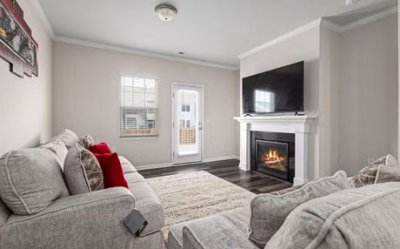
Many people think that just saving for the down payment is enough, only to be surprised by unexpected costs at the closing table. Whenever I talk to those preparing to buy their first home in Philadelphia, this is the first point I emphasize.
According to Redfin, as of March 2026, the median home price in Philadelphia is $275,000. This price range is still relatively affordable among major U.S. cities, making the down payment burden feel lighter.
The first consideration is whether to enter the market quickly with a low down payment or to save more for a larger initial investment. An FHA loan with a 3.5% down payment requires $9,625, while a 10% down payment is $27,500. A conventional loan with a 5% down payment requires $13,750, and a 20% down payment of $55,000 allows you to proceed without PMI.
Choosing a low down payment allows you to secure a home more quickly, but it also means you'll have PMI added to your monthly payments. On the other hand, putting down 20% reduces your monthly payment, but you need to consider that you'll have to save for a longer period.
The average effective property tax rate in Pennsylvania is around 1.30% (as of 2026), which is somewhat higher than the national average. There are also variations in tax rates within Philadelphia County, so be sure to check the exact rate for any properties you are interested in.
In Philadelphia, in addition to the PHFA's Keystone Advantage Assistance Loan, there is also the city-level Philly First Home program. This program provides up to $10,000 for homes priced at $250,000 or less, with income limits set at 80% of the area median income. If you haven't owned a home in the last three years, you are recognized as a first-time homebuyer.
Such assistance can often resolve situations where delays in approval occur due to insufficient down payment funds. I've seen many cases where applications that were on hold due to lack of personal funds were approved thanks to these grants.
To increase your chances of approval, you should first check your credit score. As of July 2026, a score above 780 has a rate of 6.59%, in the 760s it's 6.66%, in the 740s it's 6.75%, and in the 700s it's 6.91% (themortgagereports.com). Even raising your score by one bracket can change both your interest rate and approval likelihood.
You should also consider your DTI (debt-to-income ratio). A back-end ratio of 43% or lower is recommended, while conventional loans typically range from 36% to 45%. For front-end ratios, which only consider housing costs, 28% or lower is ideal (Consumer Financial Protection Bureau). If you have credit card debt or car loans, it's advisable to settle those before closing.
It's not uncommon to receive down payment funds as a gift from parents or relatives, and in such cases, it's important to prepare a gift letter and ensure the funds are deposited at least two months before closing. A sudden large deposit may require you to explain its source, which can delay approval. Income verification will look at your employment history for the past two years, so if you've recently changed jobs or switched to self-employment, it's wise to have the relevant documents ready.
It's beneficial to compare rates and fees from at least two or three lenders rather than just one. After pre-approval, you can lock in your rate to reduce the risk of fluctuations until closing.
Getting pre-approved allows you to clarify your budget and gives sellers confidence in your offer. Be sure to organize your income documentation in advance, and it's best to avoid taking on new loans or changing jobs during the review process. You should also prepare reserves, as having enough to cover several months of payments after closing is an important factor in the review.
Areas with strong school districts, which are often preferred by Korean families, tend to have higher prices, so it's worth considering this when planning your down payment. However, school district boundaries can change frequently, so be sure to verify the assigned school before purchasing. This article is not investment or legal advice, and it is recommended to consult a professional before making any actual contracts.
 DreamRoad
 JellyFireman






 moo moo |
 ultron78 |
 garlic bread |
 Sugar Cream Door Bulletproof Noodles |
 urbanmint |
 sparkling |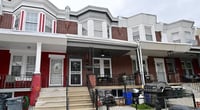
 Nationally Certified Lightning Charcoal Review |
 Real Estate Agent USA |
 Texas Migration Story |
 Information on Apartments Across the United States |
  The Gelaton |
  Twist Kim |
  berlon93 |
  Physical Laws and Science |
  good thinking |
  Solo Yolo |
  Mr Oh |
  laro90 |
  San Diego TOP Idol |
  Round and Round Children's Song Kingdom |
  American Golf Course Travelogue |
  MEDBIO American Doctor Blog |
  Hot Seat Driver |
  bryvexi |
  koala organic farm |
  riverstone |
  My Antonio |
  California Information News |
  chilli chilli |
  Moon Su San |