

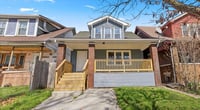
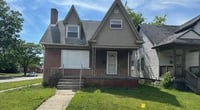
A family moved from another state. They made their decision based only on online listing photos. They had never walked through the neighborhood before signing the contract. It was only after moving in that they discovered most nearby shops were vacant. The commute was also longer than expected. They hurriedly signed the contract, needing to revisit some clauses later. There were many aspects that could not be understood from photos alone.
The median home price in Detroit is $99,450. This is a 15.64% increase from the previous year. It remains one of the most affordable in the country. The average time to sell a home is 57 days. On average, there are 2 offers per property. There is no need to rush in this market. There is plenty of time to explore the neighborhood in person. The supply of listings is at 2.37 months, indicating a balanced market that does not heavily favor buyers or sellers.
The average effective property tax rate in Michigan is around 1.25%. It may be easy to think that lower home prices mean lower tax burdens. However, the millage rates vary by county, city, and school district. In downtown Detroit, this combined rate is often high. The median property tax payment is about $2,904 per year. Compared to home prices, this is not a low burden. For a home priced around $90,000, a $2,900 property tax could feel more burdensome than in other areas.
Focusing solely on low prices can lead to missing important factors. Neighborhood variations exist. Even within Detroit, conditions can differ greatly by area. Factors like school districts, safety, and resale potential should also be considered. These aspects are difficult to assess from online listings alone. Visiting in person at different times of the day can be helpful. The vacancy rates of nearby shops and the atmosphere of the streets are also important criteria.
Closing costs should not be overlooked. They typically range from 2% to 5% of the sale price. For a home priced around $99,000, this could be between $2,000 and $5,000. While this amount may not seem large, it can be a burden if the down payment is tight. If all reserves are used up, even minor repair costs after moving in can become difficult to manage.
It's easy to rush into a low-priced property. However, if planning to stay long-term, it's essential to first consider commute distances and resale potential. The atmosphere of the neighborhood may differ from the listing photos. Be sure to visit in person before signing a contract.
Getting pre-approved for a mortgage is also advisable. This holds true even in a less competitive market. Having documents ready speeds up the offer process. It's better to compare multiple lenders rather than just meeting with one. Interest rate differences can be significant.
In neighborhoods with many older homes, inspections are especially important. It's risky to skip conditions when feeling rushed by low prices. Plumbing and electrical issues are often not visible at first glance. Repair costs can emerge later.
When preparing for closing costs, some may end up using all their reserves. It's easy to assume that lower prices mean more extra cash. However, lower-priced homes often have more repairs needed. Funds should be set aside for expenses right after moving in. It's also wise to maintain credit scores and debt ratios until closing. Large expenditures should be postponed until after the contract is finalized.
Resale potential should also be considered. There are significant variations by area in Detroit. Just because it's affordable now doesn't guarantee it will remain so in the future. It's beneficial to look at nearby development plans and population trends, especially for long-term living plans. Instead of rushing a decision, it's wise to take a few weeks to consider. For investors looking for rental income, it's important to assess vacancy risks as well. Jumping in based solely on low prices can lead to missing critical factors. Checking local rental demand and vacancy rates should be the first step.
While using GreatSchools ratings for school districts, it's advisable to verify the assigned school for the specific address before purchasing. This is not investment or legal advice, and consulting with professionals before signing a contract is recommended.
 BedIsSafe
 LimeMoon






 |
| 
 Premium Gas Camp |
 CA Real Estate |
 cheesepup |
 breezem |
 Michigan Enthusiast |
 juniper |
 So is multiplied by So, So Ji-sub |
 aaoaa |
 bayaa |
  Sammy Beach |
  Bliss O |
  blue ocean |
  greenlight |
  Watanaka Karametibaksa |
  castle |
  xelton52 |
  carefree |
  vrixen73 |
  AZ Road Master |
  Victory 1988 |
  summita |
  business lim |
  Colorado Lee |
  Make My Day |
  Fros Pro |
  lioness |
  La Bean |
  American History This and That |
  Monte Sori |