

Once I hit my 40s, my attitude towards health-related articles changed.
In my 20s, discussions about cancer felt like someone else's story, but that's no longer the case.
Even when meeting friends, conversations about stocks eventually shift to topics like cholesterol, blood pressure, and colonoscopies. Time flies.
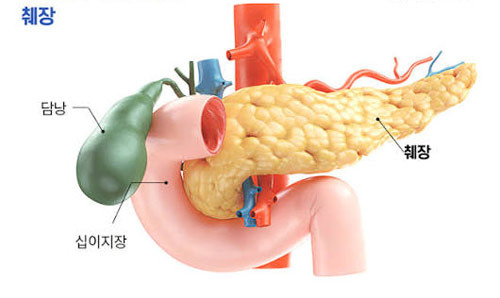
Among these, pancreatic cancer sounds particularly frightening. One of the main reasons is that early detection is difficult.
The pancreas is located deep inside the abdomen, behind the stomach. It's not an organ that can be easily felt like the liver or skin when something is wrong.
The bigger issue is that early-stage pancreatic cancer often has no specific symptoms.
Symptoms like abdominal pain, back pain, weight loss, decreased appetite, and jaundice may only appear after the disease has progressed to a certain extent.
However, it's not feasible for healthy individuals to add a pancreatic cancer test every year.
A standard abdominal ultrasound cannot clearly observe the entire pancreas, and testing for pancreatic cancer without symptoms is generally not recommended.
So, what should we do on a regular basis?
The first thing to consider is smoking. Smoking is one of the main risk factors for pancreatic cancer.
If you smoke, quitting not only benefits the pancreas but also the lungs, heart, and blood vessels. There aren't many investments in health that offer such good value.
Weight management and exercise are also important. Obesity and lack of physical activity are linked to various chronic diseases and are associated with an increased risk of pancreatic cancer.
There's no need to seek out any special exercises. Regular walking, strength training, and maintaining a healthy weight are the basics that matter.
Eating a balanced diet centered around fruits, vegetables, and whole grains while reducing the consumption of processed meats and overly processed foods is advisable.
It's also best to avoid excessive drinking. Heavy drinking can lead to chronic pancreatitis, making it an unwelcome guest for the pancreas.
Additionally, from the age of 40, it's important not to dismiss bodily changes as just aging. If you experience unexplained weight loss, jaundice, unusually dark urine, persistent upper abdominal or back pain, or sudden digestive issues, it's wise to seek medical attention. If diabetes suddenly develops or existing diabetes worsens without a clear reason, a doctor can investigate the cause along with other symptoms.
If there are multiple pancreatic cancer patients in your family or if you belong to a high-risk group like those with certain hereditary cancer syndromes, the situation changes. In such cases, consulting a specialist can help determine if a separate monitoring program using MRI or endoscopic ultrasound is necessary.
Ultimately, there is no magical food that prevents pancreatic cancer. Eating three cloves of garlic won't make your pancreas applaud, nor will a bottle of supplements solve everything.
Quitting smoking, managing weight, staying active, avoiding excessive drinking, and not ignoring unusual symptoms for long periods are key.
As I reach my 40s, health management seems to be returning to increasingly unexciting answers. Yet, it appears that those who stick to these boring basics for 10 or 20 years ultimately reap the greatest benefits.
 silverroadexplorer1907
 GymForPhotos






 LIZ Legal Information Blog |
 Karina's Blog |
 Jimbeam 88 |
 Taco Bell Candy Note Blog |
 Splendid Mission |
 Vivid U.S. Regional Information |
 zentra95 |
 wexlin84 |
 yorvik12 |
 Texas Lone Star Longhorn Spirit |
  midnight blue |
  honeypot |
  summer |
  adventure77 |
  flexible |
  Shintongbangtong Shin Naerin James Park |
  truepixel |
  Kathy's Blog |
  Hae Naem |
  quatspace |
  Marisol |
  Glassroom |
  Granola |
  joyfull yang |
  Olivia's Blog |
  Living in America and Writing Essays |
  Piano Teacher Blog |
  bearcup |
  explorer |
  dictionary |