
When I first came to Texas, I asked, "Do people drink a lot here? Is that okay?"
However, the penalties for driving while intoxicated (DWI) in Texas are much stricter than I expected.
Having seen people whose lives were turned upside down after just one incident, I wanted to make sure to outline this information.
In Texas, DUI and DWI are distinguished. Adults over 21 are charged with DWI (Driving While Intoxicated) if their blood alcohol concentration (BAC) is 0.08% or higher. For those under 21, any alcohol consumption while driving results in a DUIA (Driving Under Influence of Alcohol), regardless of BAC.
For a first offense as a minor, the penalties include a fine of up to $500, a minimum 60-day license suspension, and 20 to 40 hours of community service.
The first DWI for an adult is classified as a Class B misdemeanor, with penalties including a fine of up to $2,000, jail time ranging from 3 to 180 days, and a maximum 2-year license suspension. Additionally, the judge may impose 20 to 40 hours of community service and a mandatory 12-hour alcohol education course at their discretion.
The $2,000 fine is just the beginning. The reality is that when you factor in skyrocketing insurance rates, attorney fees, and the cost of completing the education program, the total expenses can be much higher.
A second DWI escalates to a Class A misdemeanor. The fines can reach up to $4,000, with jail time ranging from a minimum of 30 days to a maximum of 1 year, and a maximum 2-year license suspension. Starting from the third DWI, it becomes a felony. A third-degree felony carries a minimum of 2 years and a maximum of 10 years in prison, with fines up to $10,000.
Importantly, DWI charges accumulate without a statute of limitations. Even if you had a DWI 20 or 30 years ago, if you get caught again, it counts as your second or third offense.
In 2025, Senate Bill 2320 was introduced to strengthen penalties for those with a BAC of 0.15% or higher.
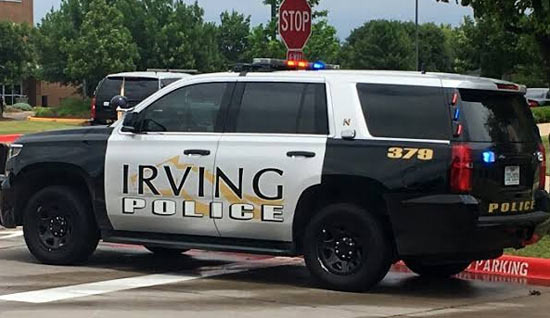
If this bill passes, a BAC of 0.15% or higher could be classified as a state jail felony. Irving follows Texas law closely, and police enforcement is consistently carried out.
The only correct answer after drinking is to take an Uber or Lyft. That $20 to $30 can protect your entire life.
 LimeJoy








 Smile Face |
 Helpful Life Stories |
 Casa Mia |
 Study Abroad Life Know-How Tips |
 pravix22 |
 yorvik12 |
 Vivid U.S. Regional Information |
 zentra95 |
 wexlin84 |
 axelon47 |
  newyorker 101 |
  coffeee |
  |
|  Christopher |
  sylven |
  Sammy Beach |
  Bliss O |
  blue ocean |
  greenlight |
  Watanaka Karametibaksa |
  castle |
  xelton52 |
  carefree |
  vrixen73 |
  AZ Road Master |
  Victory 1988 |
  summita |
  business lim |
  Colorado Lee |
  Make My Day |