

Recently, I saw a case in downtown Reno where an old apartment building was put back on the rental market after only updating its exterior and kitchen. After remodeling, the rent was set at a price that was not significantly different from nearby new constructions, so let's first look at the numbers this case presents.
The average rent for apartments in Reno is $1,803 as of 2026, which is a 5.72 percent increase from the previous year (Zumper 2026). This number indicates that Reno has recently begun to experience upward pressure on rental prices again. The average age of rental buildings in Reno is 29 years, with 43 percent of them built after 2000. This means that Reno has a market that is nearly half composed of older buildings and relatively newer constructions.
On a national average, new constructions often carry a rental premium of about 10 to 20 percent compared to older buildings, reflecting the latest amenities and energy efficiency (RentCafe, Apartment List New Construction Trend Report). Reno is characterized by a market where this premium fluctuates significantly over time, distinguishing it from other cities. Reno has a high desert climate, so summers are dry, and there are days in winter when it snows. Older buildings often have poor insulation performance due to outdated windows and roofing materials, leading to higher heating and cooling costs compared to new constructions, and there is also the possibility that major replacements of plumbing and electrical wiring are approaching.
New constructions often come with a building warranty of 1 to 10 years that applies to the structure and facilities, resulting in lower initial repair burdens, but properties with community facilities incur separate HOA fees (nar.realtor, bankrate.com HOA Guide). Nevada has no state income tax, but property taxes are known to be at the national average level, so considering the tax structure gives a clearer picture of total expenditures.
Another noteworthy figure comes from the small-scale older buildings. According to an analysis of the Reno rental market, the actual rent for small-scale properties has decreased by 15 to 20 percent compared to 2021, which is interpreted as a result of a significant influx of new constructions in Reno over the past five years, increasing supply (thisisreno.com February 2026 analysis). As new constructions have increased, there has been a trend of older rental prices being pulled down.
However, this trend has recently begun to change. In the last fiscal year, Reno approved 578 residential permits for a total of 1,925 multi-family units, but in January 2026, new permits were limited to just 117 units. With the development pipeline freezing, there are forecasts that rental prices may come under upward pressure again after 2026 (gathergov.com development pipeline data).
When looking at new versus older constructions in Reno, two factors need to be considered. One is the management fees. New constructions tend to have lower heating and cooling costs due to modern insulation and facilities, and they also come with building warranties. The other is the supply flow. In a phase where new constructions are flooding the market, older rental prices are suppressed, but in a phase where supply decreases, older buildings may narrow the price gap with new constructions.
It is also important to consider that while Nevada has no state income tax, the desert climate leads to significant cooling costs in the summer. The school districts preferred by Korean families are often mentioned as being in South Reno, but school district boundaries frequently change, so it is advisable to check the assigned school for the specific address before signing a lease.
In summary, Reno is a market where the price gap between new and older constructions varies depending on the supply flow. During times like now, when the pipeline is shrinking, it may be wise to observe the flow of permit numbers over the next few quarters rather than rushing. This article is not investment or legal advice, and it is recommended to consult with a professional before entering into any contracts.
 SunrayVibe
 midnightriverwalker1959






 cheesepup |
 breezem |
 yentra |
 virex |
 vexon87 |
 elion |
 Nevada Vegas UNLV |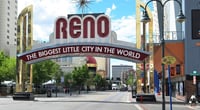
 Home Run King Byeon Seung-yeop Blog |

 Gleeee |
  MacMorningBlog |
  ASURA |
  Elastico |
  shaket |
  vionoo |
  chocolate |
  Whisper |
  Star Voyager |
  InDiGo |
  Rocky Mountains |
  Whoever It Is, I Don't Know |
  Why Not Me |
  Plastic Rose |
  Rice Shop Uncle BLOG |
  Victory 1988 |
  Gook Rule |
  Rowland Mama |
  Coco and Lulu |
  Baguette Blog |