

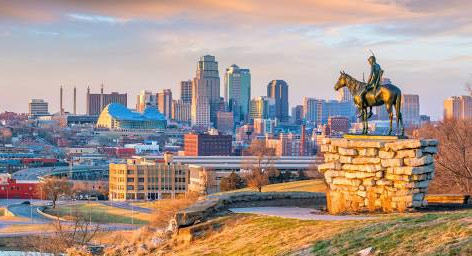
Kansas City, Missouri has a climate that distinctly shows all four seasons, with varying temperatures and precipitation for each season. Additionally, Kansas City can be affected by certain natural disasters, so we provide information on that as well. Below, we will detail the monthly average temperatures (Fahrenheit and Celsius), average precipitation, and major natural disasters throughout the year.
Monthly Average Temperatures
January: Winter in Kansas City is quite cold. The average high temperature is about 40°F (4°C), and the average low temperature is around 20°F (-7°C). This period often experiences cold waves and significant snowfall, which can greatly impact transportation.
February: The cold winter continues, with an average high temperature of 43°F (6°C) and an average low temperature of 23°F (-5°C). There are many snowy days, and blizzards are likely to occur.
March: This month marks the beginning of spring, with an average high temperature of 55°F (13°C) and an average low temperature of 31°F (-1°C). Temperatures gradually rise, but chilly weather persists.
April: Spring fully arrives, with an average high temperature of 66°F (19°C) and an average low temperature of 42°F (6°C). Precipitation increases, and spring rains and thunderstorms may occur.
May: Transitioning to warm spring weather, the average high temperature is 76°F (24°C) and the average low temperature is 51°F (11°C). This season sees blooming flowers and lush greenery, with significant rainfall that can lead to heavy downpours.
June: The start of summer, with an average high temperature of 85°F (29°C) and an average low temperature of 61°F (16°C). Hot weather begins, and humidity starts to rise, with thunderstorms and lightning occurring frequently.
July: The hottest month in Kansas City, with an average high temperature of 89°F (32°C) and an average low temperature of 68°F (20°C). Often, the weather remains sweltering, necessitating precautions against heatstroke.
August: Summer weather continues, with an average high temperature of 88°F (31°C) and an average low temperature of 66°F (19°C). High humidity can lead to uncomfortable weather conditions.
September: The start of autumn, with an average high temperature of 80°F (27°C) and an average low temperature of 58°F (14°C). The weather gradually cools, allowing for beautiful views of changing leaves.
October: Autumn deepens, with an average high temperature of 68°F (20°C) and an average low temperature of 45°F (7°C). This is the time when chilly weather and peak fall foliage occur.
November: The chill of winter returns, with an average high temperature of 54°F (12°C) and an average low temperature of 33°F (1°C). This is when the first snow begins to fall, and the weather rapidly becomes colder.
December: Winter returns, with an average high temperature of 43°F (6°C) and an average low temperature of 22°F (-6°C). Cold waves and snow can frequently occur, significantly impacting daily life.
Monthly Average Precipitation
The annual average precipitation in Kansas City is about 40 inches (approximately 1,016 mm), with significant seasonal variation. Spring and summer see the most precipitation, especially with a high likelihood of heavy downpours in May and June. In autumn and winter, precipitation generally decreases, but winter precipitation mainly falls as snow. Thunderstorms and lightning can frequently occur in summer, sometimes resulting in heavy rain.
Natural Disaster Information
Kansas City has a relatively stable climate, but there are risks of certain natural disasters. Below, we explain the major natural disasters and their impacts.
Heavy Snow and Cold Waves: Kansas City receives a lot of snow in winter, especially between December and February when heavy snowfalls are common. Heavy snow can significantly impact traffic and daily life, and cold waves can pose health risks, so proper precautions are necessary.
Heavy Rain and Flooding: Heavy downpours can occur in spring and summer, leading to river flooding and urban flooding. Kansas City has several rivers and canals, making it relatively susceptible to flooding. Flooding from heavy rain can damage residential and commercial areas, so preparedness is essential.
Tornadoes: Kansas City is not typically an area where tornadoes occur, but they can happen rarely. In the event of a tornado, quick evacuation and safety measures are crucial.
Thunderstorms and Lightning: These occur frequently in summer and can be accompanied by strong lightning, hail, and high winds. Such thunderstorms can cause property damage and power outages, so it is advisable to stay indoors for safety.
Blizzards: When strong blizzards occur, visibility can rapidly decrease, and transportation can become paralyzed. Blizzards are accompanied by extreme weather conditions, so preparedness is necessary.
Additional Information and Preparedness
Climate Preparedness:
- Winter Preparedness: It is advisable to prepare warm clothing and winter gear, and to equip vehicles with snow chains and winter tires. Check indoor heating systems and prepare emergency food and water supplies.
- Summer Preparedness: During heatwaves, it is important to stay hydrated and rest in cool places. Check cooling systems and prepare measures to prevent heatstroke.
Disaster Preparedness:
- Prepare an Emergency Kit: Prepare an emergency kit that includes a first aid kit, flashlight, batteries, emergency food, water, and a radio.
- Establish an Evacuation Plan: It is important to create an emergency evacuation plan with your family and to pre-determine evacuation locations.
- Utilize Local Alert Systems: Actively use the alert systems of local weather agencies and disaster management organizations to be prepared for quick responses.
Kansas City has a distinctly seasonal climate, with unique weather characteristics for each season. It is important to prepare for various weather conditions such as heavy snow and cold waves in winter, and heavy rain and thunderstorms in spring and summer. Additionally, it is necessary to establish preparedness measures for natural disasters to maintain a safe living environment. Based on an understanding of Kansas City's climate and natural disaster information, we hope you can lead a safer and more comfortable life.







 moo moo |
 ultron78 |
 garlic bread |
 Sugar Cream Door Bulletproof Noodles |
 urbanmint |
 roma |
 calviro |
 Kansas City Representative Singer |
 calvix |
 Iri Jori Missouri |
  Anytime Journey |
  Mrs. Duluth |
  jaxter |
  Atlanta Mama |
  Baguette Blog |
  US Embassy |
  Korean Mom |
  My NYC |
  Mr Oh |
  forevergee |
  festival |
  manchester |
  constant |
  Leapfrog Move |
  vibranto |
  Tora Tora |
  yellowbutter |
  Dolly |
  NYC saladbar |