
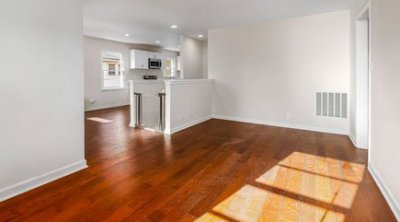
For tenants receiving summer electric bills in Dallas, the difference between new and established buildings is most noticeable in management costs. Units built in recent years come with insulation standards, double-pane windows, and smart thermostats as standard features, resulting in significantly better cooling efficiency. In contrast, buildings that have been around for over 20 years often have outdated cooling systems, leading to higher electric bills even for the same square footage. If you travel around Uptown or Preston Hollow, you can see how rental experiences vary greatly depending on which blocks have new constructions.
According to Rent.com, as of July 2026, the average rent in Dallas is $1,593, with listings typically ranging from $1,475 to $1,957. Luxury communities in areas like Uptown or Knox-Henderson, where new constructions are concentrated, often start at $2,100, while older buildings with the same number of bedrooms tend to have significantly lower rents. However, it's interesting to note that new constructions may have lower management costs, which can reduce the overall spending gap.
On the supply side, the Dallas-Fort Worth Metro has seen about 97,000 new units supplied in the recent development cycle, experiencing an unprecedented wave of new constructions, with approximately 16,000 more units expected to be occupied in 2026. However, this number is lower than in 2023 and 2024, indicating a gradual easing of supply pressure. As a result, about 40 percent of Dallas listings are offering concessions like free rent or deposit discounts, making it a good time for tenants to negotiate for new constructions.
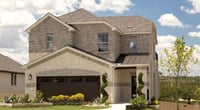
The advantages of new constructions go beyond just lower management costs. Thanks to the latest insulation and smart home features, lower heating and cooling costs are a trend seen nationwide. Additionally, construction warranties often cover structures and systems for one to ten years, reducing concerns about unexpected repair costs in the early stages of occupancy. However, new condos or townhouses tend to have higher HOA fees due to the increased community amenities like pools, gyms, and concierge services, so it's important to consider both rent and management costs together.
On the other hand, established buildings offer the advantage of spacious layouts and mature landscaping, contributing to a stable neighborhood atmosphere. Areas with older homes, like Preston Hollow or near M Street, have large trees and well-established road systems, with verified living infrastructure such as schools, grocery stores, and hospitals, which differ from new development zones. However, plumbing, roofing, and electrical wiring may be nearing major repair points, so it's advisable to check recent repair histories before signing a lease.
When considering school districts preferred by Korean families, just because a region has active new developments doesn't automatically mean the school district ratings are high. School district boundaries change frequently, so it's best to verify the assigned schools for any properties of interest using metrics from GreatSchools or Niche. For families moving from other states, it's also important to note that while Texas has no state income tax, property tax rates are relatively high. Additionally, new homes may have lower tax bills in the first year reflecting only the land value, which can jump by 40 to 60 percent the following year when improvements are assessed.
From an investment perspective, new constructions may have higher rents, resulting in lower initial yields, but they also have lower vacancy rates and less management burden, making them suitable for investors prioritizing stability. Established buildings may have lower purchase prices, leading to relatively higher yields compared to rent, but remodeling and repair costs must also be factored in to reveal actual profits. According to Freddie Mac, as of early August 2026, the 30-year fixed mortgage rate is around 6.69 percent, so if you're considering a purchase, it's wise to calculate monthly payments based on this rate. However, it cannot be assumed that property values will continue to rise, so it's essential to also consider vacancy rates and local rental demand.
For families who have just immigrated from Korea or are settling in for the first time, new constructions are appealing because they often allow for immediate occupancy and frequently include appliances, resulting in lower initial setup costs. In contrast, while established buildings may have lower rents, they often require tenants to furnish or provide appliances themselves, so it's important to factor this into your initial settlement budget.
Ultimately, whether new or established buildings are the right choice depends on total expenses, including management costs, the length of stay, and the desired neighborhood atmosphere. This article does not constitute investment or legal advice, and it is recommended to consult with real estate and tax professionals before finalizing any contracts.
 CozyBreezeMan
 OrangeMooner





 cheesepup |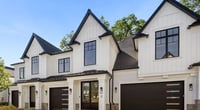
 breezem |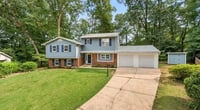
 yentra |
 virex |
 vexon87 |
 Best Frozen Yogurt |
 Giant Squid and Sweet Potato Soup |
 Heart Ticker |
 American Blog Forge |
 Springs Korea |
  nixon |
  mini hometown |
  Gleeee |
  MacMorningBlog |
  ASURA |
  Elastico |
  shaket |
  vionoo |
  chocolate |
  Whisper |
  Star Voyager |
  InDiGo |
  Rocky Mountains |
  Whoever It Is, I Don't Know |
  Why Not Me |
  Plastic Rose |
  Rice Shop Uncle BLOG |
  Victory 1988 |
  Gook Rule |