

What is the cost of living like in Dallas, one of the largest metropolitan areas in Texas?
With a cost of living index estimated at 102, Dallas is essentially on par with the U.S. average of 100. Despite being a major city, it does not deviate significantly from the national average, thanks to Texas's unique tax structure and relatively low housing costs. When compared to other major cities like New York, LA, and San Francisco, Dallas stands out for its affordability.
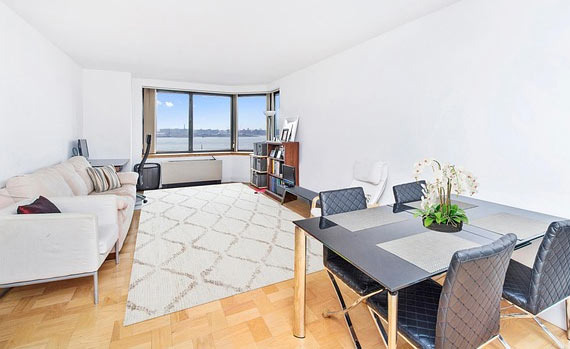
Housing costs in Dallas are relatively low for a major city. As of 2024, the average monthly rent for a two-bedroom apartment in key areas of Dallas is estimated to be between $1,400 and $1,800. Popular urban areas like Uptown and Oak Lawn can reach $1,800 to $2,200, but in suburban areas like Garland, Mesquite, and Irving, you can find options in the $1,200 to $1,500 range. The median sale price for single-family homes is estimated to be between $300,000 and $420,000.
Grocery costs are less burdensome due to Texas's grocery sales tax exemption policy. The Dallas metro area features a variety of grocery stores at different price points, including H-E-B, Kroger, Aldi, Trader Joe's, and Whole Foods. The estimated monthly grocery bill for a family of four is around $800 to $1,100. H Mart in Dallas (Garland) is conveniently located near the Korean community.
Transportation costs reflect the unique characteristics of Dallas. DART (Dallas Area Rapid Transit) is a relatively well-developed public transportation system among major Texas cities, with light rail lines connecting various areas. However, due to the city's vastness, many areas can be inconvenient without a car. Gas prices in Texas are lower than the national average, making the estimated monthly transportation cost around $650. There is also potential to lower costs by using DART passes.
Utilities reflect Dallas's extreme climate. Summer temperatures often exceed 100°F, and winter can bring occasional severe cold snaps. Many Dallas residents experienced the Texas power crisis during the cold snap in February 2021. The estimated combined monthly utilities for electricity, gas, and water are around $250, with electricity costs potentially rising significantly during peak summer months.
In comparison within the DFW metro area, Dallas (102) is cheaper than Plano (112) and Austin (118), but slightly higher than Fort Worth (98) and Arlington (98). While Texas's lack of a state income tax does not directly reflect in the cost of living index, it does effectively increase disposable income. However, property taxes in Texas are relatively high, so this should be considered when contemplating home purchases.
Dallas is one of the cities in the U.S. with a significant concentration of the Korean population. The Korean community is primarily located in northern suburbs like Garland and Plano, where there are well-established community infrastructures such as Korean churches, restaurants, and language schools. With a cost of living nearly equal to the U.S. average and access to a Korean network, Dallas appears to be a city worth considering for new residents.
 PierrotBrag
 SonataSoup




 Sugar Cream Door Bulletproof Noodles |
 urbanmint |
 |
| 
 Premium Gas Camp |
 CA Real Estate |
 xylora |
 Aura-Infused WACAM |

 SWAT TEAM BLK |
 Texas Migration Story |
  Coastal city |
  meonetoo |
  Winter bear |
  Peach Jam Eating Laughter |
  Nando Raldo |
  American Man in a Mask |
  wendra |
  silver |
  bada2002 |
  horizon |
  Nanana Nanana Nanana |
  victoria jung |
  Kkikki Ppappa Shout Out Loud |
  Lululala |
  Toaster Pizza Magic Show |
  nortrix |
  Mau Nui |
  novapixel |
  fixed |