

In the past, moving to a condo or townhome in Rochester was seen as a choice only for retirees, but the situation has changed a bit. As the oldest baby boomers turn eighty this year, there is a clear trend of them downsizing from single-family homes to townhomes, condos, and patio homes. The popularity of two-bedroom plus den configurations, which have no stairs and less maintenance, is particularly noteworthy.
To understand this trend, it's important to first look at the numbers. According to HouseGeo, the median home price in Rochester has risen to $230,000, a 17.95% increase from the previous year, with the recent six-month median sale price around $255,000. Realtor.com has ranked Rochester as the second-best housing market in the nation this year, noting a median price of $256,900 compared to the national average of $415,000. In terms of type, condos are priced around $234,950, while single-family homes are about $225,000, showing little difference, which is a change from the past. Previously, condos were significantly cheaper than single-family homes, but now the price gap between the two types has narrowed, leading more people to choose based solely on maintenance concerns.
If you're considering downsizing in Rochester, there are three main factors to check. First is the maintenance fee. Condos typically have the management association responsible for the building's exterior and roof, which means monthly fees are required, while townhomes have the HOA responsible for exterior maintenance, leaving the interior to the owner. Second is the difference between the remaining mortgage balance and the new purchase price; even if you downsize from a single-family home to a condo, the small price difference in Rochester may result in less reduction in your mortgage than expected. Third is property taxes. Since New York State applies different property tax rates by county, it's advisable to check the tax rate for the neighborhood you plan to move to in advance.
Whereas condos and townhomes used to be primarily new constructions, there is now an increasing trend of converting existing single-family homes into small units. Near downtown Rochester, there are consistent examples of old large homes being remodeled into several condo units; these listings are often priced lower than new constructions, but you should also check for issues related to aging plumbing or electrical systems. It's also worth looking into the reserve fund status of the management association before purchasing. Associations with insufficient reserves may suddenly impose special assessments when major repairs are needed, so even if the sale price seems low, you should consider the potential for significant expenses later.
Many Korean families in Rochester still maintain single-family homes for their children's school districts. While school ratings can be checked on GreatSchools or Niche, school district boundaries change frequently, so it's best to verify the assigned school for the specific address before purchasing. Conversely, families looking to reduce maintenance burdens after their children become independent might consider moving to a condo or townhome and investing the remaining funds in rental properties. However, rental income can vary based on vacancies and local rental regulations, so it's wise not to make definitive income predictions.
For families moving to Rochester from other states, it's also good to factor in the unique winter maintenance costs of New York. Single-family homes require homeowners to handle snow removal and roof maintenance themselves, while condos or townhomes often include these services in their maintenance fees, making the difference more noticeable in areas with long winters. Especially before experiencing the first winter, it can be hard to gauge how much heating and snow removal costs will impact your budget, but condos or townhomes that include these items in their fees make budgeting much easier.
In summary, Rochester is a market where the price gap between types is not significant, so for families considering downsizing, it seems more realistic to base decisions on maintenance fees and lifestyle rather than price. This article is not investment or legal advice, and it's recommended to consult with professionals before making any actual contracts.
 PastaDriveSim
 LatteMorning






 |
| 
 Premium Gas Camp |
 CA Real Estate |
 cheesepup |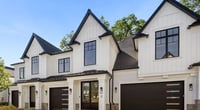
 breezem |
  Misstic M |
 molten |
 Yoyma |
 Elastico |
 |
|  Christopher |
  sylven |
  Sammy Beach |
  Bliss O |
  blue ocean |
  greenlight |
  Watanaka Karametibaksa |
  castle |
  xelton52 |
  carefree |
  vrixen73 |
  AZ Road Master |
  Victory 1988 |
  summita |
  business lim |
  Colorado Lee |
  Make My Day |
  Fros Pro |
  lioness |