
There are two numbers that tenants in Boston need to remember during the winter: 68 degrees Fahrenheit during the day and 64 degrees at night.
This standard is the minimum indoor temperature outlined in Massachusetts State Sanitary Code 105 CMR 410. If the landlord is responsible for heating, this is the legal requirement they must follow.
There are also specific timeframes. According to Boston city guidelines, the temperature must be above 68 degrees from 7 AM to 11 PM, and above 64 degrees from 11:01 PM until the next morning.
This temperature requirement applies to the entire living space, not just one room. If one bedroom is particularly cold, that can also be a concern.
Conversely, there is a maximum limit as well. The heating system should not allow the room temperature to exceed 78 degrees, as stated in the same regulation.
The heating season starts on September 15. As of now, at the end of November, this standard is certainly in effect.
The end date can be a bit confusing. The state government revised the regulations in May 2023 to set the end date as May 31, but some Boston city guidance pages still list it as June 15.
During the winter, either date doesn't make much difference. However, if a dispute arises in the spring, it's safer to check the current standards directly with the city inspection department.
One common excuse heard on-site is that heating will only be turned on if the outside temperature consistently drops below 50 degrees. Complaints like this have been reported to Boston 311.
The legal standard is based on indoor temperature, not outdoor weather. If it's 52 degrees outside but the inside temperature is 66 degrees, that does not meet the daytime requirement.
If it is actually cold, what should you do first? The city advises checking the thermostat settings, fuel levels, and gas supply.
If the tenant has agreed to pay for fuel, running out of oil may be their responsibility. Be sure to check the lease to see who is responsible for heating fuel.
If there is an equipment issue, the next step is to inform the landlord and give them a chance to fix it. It's recommended to contact them in writing, such as via text or email, to keep a record of the date.
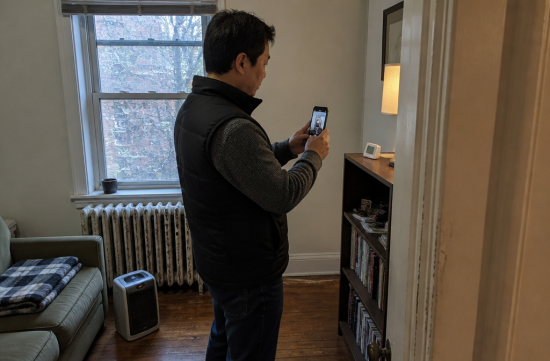
It's also a good idea to keep a record of the temperatures. Placing an inexpensive indoor thermometer in the middle of the room and taking a photo with the time visible can serve as evidence later.
Make sure not to place the thermometer right next to a window or radiator. The reading taken at chest height in the middle of the room is likely to be closest to the actual temperature felt.
If the landlord does not respond, contact the Boston Inspectional Services Department (ISD). Their phone number is 617-635-5300, and they are available on weekdays from 8 AM to 4 PM.
Outside of those hours, you can call 311 or submit a report through the app or website. The city advises that you can report to the inspection department without first contacting the landlord.
If an inspector comes out and confirms a violation, a report will be generated. State regulations classify failure to provide heating as a condition that threatens health and safety.
Once classified as a violation, the landlord must begin repairs within 24 hours of receiving the order. It's important to note that the clock starts ticking from the time the order is delivered, not when the heating is cut off.
If the issue is still not resolved, tenants have legal options available. One option is to withhold part or all of the rent, based on Chapter 239, Section 8A of state law.
Any withheld rent should not be spent but set aside, as a judge may later determine that some or all of it must be paid.
The other option is to make the repairs yourself and deduct the costs from the rent. This is based on Chapter 111, Section 127L, but certain conditions must be met, including having an inspection report and a deadline, with a limit of four months' rent over a 12-month period.
Both methods involve complicated procedures. If the steps are not followed correctly, it could lead to grounds for eviction.
Therefore, it is advisable to consult with a free legal aid organization or attorney before proceeding with rent withholding or repair deductions. The outcomes can vary based on individual circumstances.
If a landlord tries to raise the rent or evict you because you reported them, that can also be addressed separately. Massachusetts law protects tenants from retaliatory actions for legitimate reporting.
Given the high cost of rent in Boston, many people hesitate to confront their landlords. Especially for new immigrants, the burden of making phone calls in English can lead to situations where they endure with just an electric heater.
However, running an electric heater for a few days can significantly increase the electricity bill. Essentially, the tenant is paying for costs that should be the landlord's responsibility.
If I were a tenant, I would collect temperature photos for about three days, make one written request, and if there is no response within two days, I would report it to 311 immediately.
There's no need to engage in an emotional fight. With the numbers 68 and 64, along with the date-stamped records, the conversation can be resolved more quickly than expected.
 MacaronJoy
 MorningStone95






 Something is popping in the situation |

 lumix88 |
 quiet river |

 Doori Ark |

 My Town My Way Blog |
 Investment Information News Update |
 nougatpop |

 Tart Tart |

 gravity |
 714 Success Era Real Estate |
 Investment Beginner Company Information Encyclopedia |
 musicque |
 The Gelaton |
 ovelion |
 Chicagonian |
 Freedom Yea |
 AZ Road Master |
 glenix39 |
 orvella |
 vella |
 comets |
 Banana |
 Yes Dorian |
 Minnesota Sonata N |
 zentar |
 mykiwi blog |
 shinramen wang |