

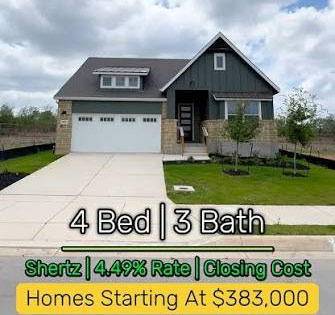
In 2021, the real estate prices in San Antonio were in the $200,000 range, but now homes are selling for over $300,000, and conversely, there are homes that are not selling even when prices are lowered.
So, if you buy a home in San Antonio in 2026, how much will it have appreciated by 2036?
First, over the past 10 years, home prices in San Antonio and the surrounding area have increased by about 80% from 2016 to 2026.
A home that was $200,000 in 2016 would now be approximately $360,000 if it followed the regional average increase.
Of course, not all homes have appreciated at this rate. There are significant differences depending on the area and the condition of the property.
As of September 2026, the median sale price in the San Antonio metropolitan area is about $303,000.
What about the next 10 years?
If a $300,000 home appreciates by 2% each year, it will be about $366,000 by 2036; if it appreciates by 4%, it will be around $444,000.
If the past trend of 6% continues, it could reach about $537,000.
However, the last figure is quite optimistic, as it includes the rapid increase during the COVID period over the past 10 years.
The North, Between Austin and San Antonio, is the Most Interesting
Personally, I find the area around the northeast I-35 highway to have the most potential for long-term urban growth.
This area stretches from San Antonio through Schertz, New Braunfels, San Marcos, and all the way to Kyle.
As the population grows between these two major cities, not only housing but also shops, hotels, and logistics facilities are being established.
In particular, New Braunfels and San Marcos are evolving beyond simple suburban housing developments into independent living areas.
However, just because there is a lot of development doesn't mean home prices will automatically rise. If the supply of new homes increases too much, existing home prices may stagnate.
The West is Also Worth Considering
To the west, areas like Alamo Ranch, Potranco Road, and Castroville are catching attention.
There is potential for new housing developments on relatively large plots of land, and developers are showing interest.
However, if infrastructure such as roads, schools, and utilities cannot keep pace with housing development, traffic congestion and living inconveniences may increase.
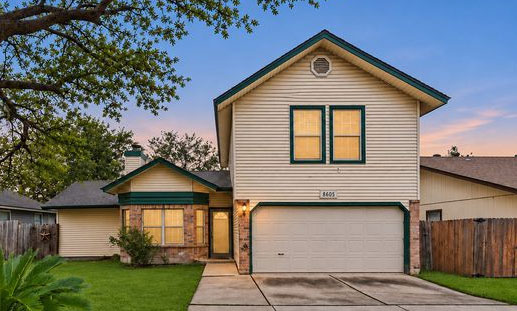
Is There Really No Outlook for the South?
It's hard to make such a definitive statement. The south offers opportunities to find relatively affordable housing compared to the north.
The Brooks area and the Southside living area, separate from the area south of Fort Sam Houston, are also worth considering in the long term.
However, it is still uncertain whether a broad demand for high-income housing will develop like in the north.
Changes in the south are likely to center around specific areas where jobs, roads, and commercial facilities are being established, rather than the entire region rising simultaneously.
What Will 2036 Look Like?
I believe San Antonio has plenty of room for growth in the future. However, I do not expect the same rate of increase from 2016 to 2026 to continue.
Mortgage rates, property taxes, homeowners insurance, and new housing supply are all variables.
Ultimately, what matters is not just which direction you buy a home in, but how many reasons will arise for people to want to live there in the future.
The north is characterized by growth connecting the two cities, the west by new residential developments, and the south by relatively low entry prices.
It is impossible to predict home prices accurately in ten years.
However, one thing is certain: even within the same city, the outcome in 2036 can vary significantly depending on which road your home is located next to.





 lumix88 |

 quiet river |

 Doori Ark |

 My Town My Way Blog |

 Dolly |

 solvix18 |
 Thoroughly Prepared Pioneer Spirit |

 My Antonio |

 Something is popping in the situation |

 Helpful Life Stories |
 gravity |
 714 Success Era Real Estate |
 Investment Beginner Company Information Encyclopedia |
 musicque |
 The Gelaton |
 ovelion |
 Chicagonian |
 Freedom Yea |
 AZ Road Master |
 glenix39 |
 orvella |
 vella |
 comets |
 Banana |
 Yes Dorian |
 Minnesota Sonata N |
 zentar |
 mykiwi blog |
 shinramen wang |