

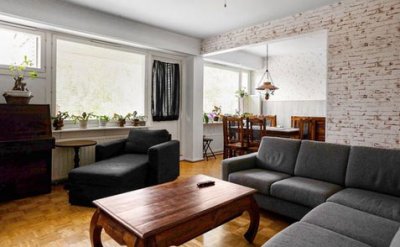
An elderly person living alone in Albuquerque had a dispute with a neighbor over property lines and leaf disposal. In single-family homes, residents are often responsible for yard maintenance, which can lead to conflicts with neighbors. This incident prompted him to seriously consider moving to a condo or an active senior community (a residential area for those aged 55 and older, where maintenance fees cover yard and exterior upkeep).
Let's compare single-family homes and condos side by side. As of June 2026, the median price for single-family homes in the Albuquerque metro area reached a record high of $393,000 (Greater Albuquerque Association of Realtors, GAAR). In contrast, the median price for attached homes like townhomes is $270,000, which is over $120,000 less than single-family homes. Simply put, with the same budget, one could buy an attached home without a yard in Albuquerque and still have money left over. However, condos come with monthly maintenance fees, which average $230 for condos and $165 for townhomes (LotWize). It's important to verify whether landscaping, pool, and exterior maintenance are included in these fees, even if they seem low.
Heating and cooling costs also highlight the differences in lifestyle between the two options. Albuquerque has a desert climate with high summer daytime temperatures, leading to concentrated air conditioning use during the summer. The average electric bill from PNM (the local power company) is about $158 per month. In summer, rates increase once usage exceeds 450 kilowatt-hours, so if a heatwave occurs, bills can rise significantly. In winter, gas heating costs become a burden; according to the New Mexico Gas Company, the average household spends about $1,200 on heating during the winter months.
Property taxes in Bernalillo County, where Albuquerque is located, have an effective tax rate of about 0.9 percent, while the state average in New Mexico is 0.79 percent, which is lower than the national average. Seniors aged 65 and older with an income of $44,200 or less from the previous year can apply for the Senior Valuation Freeze (a program that freezes property values to prevent tax increases), and there is also a $2,000 Head of Family Exemption that applies to all homeowners. Seniors who meet the income requirements can receive up to $450 in property tax refunds through state income tax filings.
Looking more closely at active senior communities, there are differences beyond just the absence of a yard. Major items like snow removal and roof repairs are included in the maintenance fees, and residents can share amenities like clubhouses and fitness facilities, which would need to be individually arranged in a single-family home. However, because only those aged 55 and older can reside there, if you plan to have children or grandchildren stay for extended periods, it's important to check the visitation rules in advance.
Insulation performance also affects heating and cooling costs. Attached homes often share walls with neighbors, which can reduce cooling costs in the summer compared to single-family homes. Conversely, older single-family homes may have poor roof and window insulation, leading to higher summer electric bills even for the same square footage, so checking the insulation history when viewing properties can be helpful. Fire insurance premiums can also vary significantly based on location and the age of the building, so if you're weighing a move, it's wise to get insurance quotes for both single-family and attached homes for comparison.
In summary, if the burden of yard maintenance and neighbor conflicts becomes repetitive, moving to an attached home or an active senior community may provide peace of mind, even with maintenance fees. However, since property tax and maintenance fee conditions vary by county and community, this article is not investment or legal advice, and it's advisable to consult real estate and tax professionals before making any contracts.
 SickKnight
 StillLiving




 Sugar Cream Door Bulletproof Noodles |
 urbanmint |
 |
| 
 Premium Gas Camp |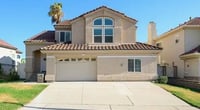
 CA Real Estate |
 New Mexico Friends MAX |
 Pointy |
 rainyday |

 U donn |
  Rhode Island Good People |
  Big North |
  Famous Attractions in the United States |
  Jin Soo V |
  Starbucks Reserve Roastery Closure |
  peppermint |
  Stable Co. |
  Purple Moons, |
  International Court |
  roma |
  horse |
  moodansa 77 |
  zymit |
  maplefox |
  Fun Flex Life |
  hopeful |
  Reeno |
  Coastal city |
  meonetoo |
  Winter bear |