

There was a landlord who first rented out a home in Brooklyn. The problem was that the lease was poorly written. It didn't specify who was responsible for repairs. When the boiler broke down, a dispute arose with the tenant. They ended up blaming each other and had to call a lawyer, resulting in having to refund part of the rent for several weeks. Such troubles can be easily avoided by taking care of a few things at the start.
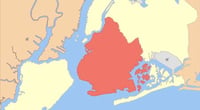
First, let's check the rent. According to Zumper, the average rent in Brooklyn as of July 25, 2026, is $3,828. This is a 14 percent decrease from the previous year. Downtown Brooklyn is higher at $4,470, and Brooklyn Heights is even higher at $5,048. There is a significant variation in rent even within Brooklyn. To get an accurate market rate, you should compare several recent listings in the same neighborhood with similar sizes.
Next is advertising. Use Zillow, StreetEasy, and local community boards. Take photos during the day. Make sure to note the move-in date and whether utilities are included. This will reduce unnecessary inquiries. Also, clearly state whether pets are allowed from the beginning to minimize disputes later.
Then, you need to consider how to screen tenants. Check their credit scores. Obtain proof of income. Review their previous rental history. Don't skip this order just because you're in a hurry. Income is typically expected to be at least three times the monthly rent. These three criteria should be applied equally to all applicants. Screening tenants for reasons other than credit, income, or rental history could violate fair housing laws.
Write the lease carefully. Include the rental period, rent amount and due date, security deposit, repair responsibilities, pet policies, and who is responsible for utilities. The repair responsibilities must be clearly stated. As seen in the previous case, if this part is vague, even minor issues can escalate into disputes.
You also need to know the rules regarding security deposits. In New York, the maximum is one month's rent. You cannot collect the first and last month's rent in advance. You must settle and return the deposit within 14 days after the move-out. If there are deductions, provide a written breakdown of the items.
If rent is overdue, there is a procedure to follow. First, send a notice via certified mail after 5 days. If payment is still not made, issue a written notice after 14 days demanding payment or eviction. The notice must also indicate whether the Good Cause Eviction law applies.
When showing the property, having a set procedure makes it easier. Schedule a time to show it to multiple people at once. If you charge an application fee, set it at the cost of credit and background checks. Also, make sure to have insurance. You need to switch from renter's insurance to landlord insurance to cover any incidents after the tenant moves in. Keep the security deposit management account information organized as well.
Since there are many old buildings, it's wise to set aside funds for plumbing or heating repairs in advance. When the lease is about to expire, notify the tenant of renewal at least 60 days in advance. This way, you can secure time to find the next tenant.
To raise the rent, you must notify tenants in writing at least 30 to 60 days in advance. Even if you are near high-rent areas like Downtown Brooklyn or Brooklyn Heights, it's safest to base the increase on the actual condition of the building and recent lease agreements in the same neighborhood. Use a standard lease form and only add special clauses as needed.
The specific terms may vary depending on the size of the building or individual contracts. As experienced with the boiler dispute, missing a single phrase in the lease can lead to weeks of headaches. Before signing the lease, consult a real estate attorney or management company. This article is for informational purposes only and does not substitute for legal advice.
 KikiLook
 LottoWishes






 Sugar Cream Door Bulletproof Noodles |
 urbanmint |
 |
| 
 Premium Gas Camp |
 CA Real Estate |
 newyorker 101 |
 Franco Family |
 Round and Round Children's Song Kingdom |
 glimmer |
  UCLA Captain |
  lattecu |
  dynamite |
  frostingline |
  Hakuna Matata |
  Your Curiosity Resolved |
  Way to easy |
  Chino Min |
  nexabyte |
  moonshine 7 |
  Sunset Oregon |
  victoria 68 |
  golfmaster |
  Montgomery Mom |
  squidogame |
  Noodle Noodle |
  Rhode Island Good People |
  Big North |
  Famous Attractions in the United States |
  Jin Soo V |