
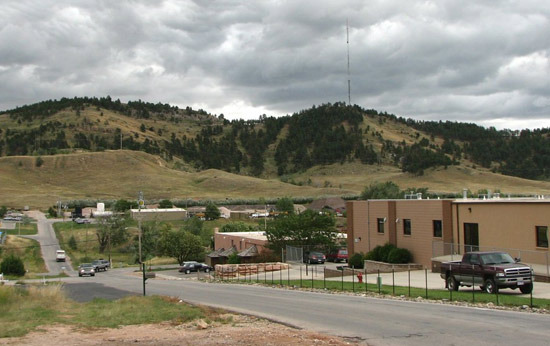
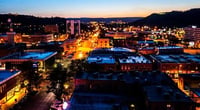
The real estate market in Rapid City, South Dakota, is quiet but steadily growing. This city is a small to mid-sized city with a population of about 80,000, but thanks to the Black Hills and Mount Rushmore, it attracts many tourists and has a stable local economy. Perhaps that's why interest in both living and investing is gradually increasing.
The average home price in this area is around $350,000. Depending on the condition and location of the house, there are options below $300,000, while newly built single-family homes or luxury houses can exceed $400,000. The price increase rate is about 2-3% per year, which is not very fast but stable. There are almost no sharp fluctuations, and the demand is more from actual residents rather than outside investors.
In recent years, the number of people moving from California and Colorado has increased, leading to a rapid rise in new housing developments and remodeled homes. Particularly, the western area known as West Rapid City is popular among families due to its good living environment, while the eastern area has larger land and slightly lower prices, attracting interest for investment properties.
The rental market is also quite stable. The average monthly rent is about $1,300 to $1,600, which is reasonable compared to the cost of living. However, there aren't many listings available, so good homes tend to go quickly during moving seasons. When buying a house, it's important to consider insulation and winter heating costs. Winters are long and cold, so older homes with poor heating efficiency can incur significant maintenance costs. Additionally, heavy snowfall makes garage and driveway maintenance a key point to check.
One advantage of the real estate market is the low taxes and low cost of living. South Dakota has no state income tax, which is favorable for pure residents and popular among those moving after retirement. On the other hand, there aren't many cultural facilities or large shopping malls, so it may feel somewhat monotonous for those seeking an urban lifestyle.
Still, this is the largest city in the Black Hills region, so residents from surrounding small towns come here to work or shop. The population is about 80% white, followed by around 10% Native American. Particularly, there is a significant presence of the Lakota Sioux tribe, which influences the local culture.
Hispanics make up about 4%, and Asians about 1%, so the diversity is not large, but it is not a city marked by racial conflict. The average household income is about $70,000, slightly above the South Dakota average and slightly below the national average.
This area focuses more on jobs in hospitals, educational institutions, tourism, and military-related fields rather than large corporations, so income disparity is not significant. Medical and technical jobs or state government-related positions can earn over $90,000, while service and tourism-related jobs often range from $40,000 to $50,000. The unemployment rate is low, and the cost of living is affordable, making the actual disposable income quite stable.
Another characteristic is the low crime rate and high homeownership rate. Most residents are long-term inhabitants, fostering strong relationships among neighbors, and they tend to be relatively friendly to newcomers from outside. Overall, Rapid City has a moderate income level but low prices, and thanks to stable jobs and a clean natural environment, it is a city with high life satisfaction.



 Dreams Come True as Desired |
 Dakota Man Blog Thanks |
 Mr. Midwest America |
  Korean Mom |
  My NYC |
  moo moo |
  Mr Oh |
  forevergee |
  festival |
  manchester |
  constant |
  Leapfrog Move |
  vibranto |
  Tora Tora |
  yellowbutter |
  Dolly |
  US Embassy |
  NYC saladbar |
  Finding Superfoods |
  lightyear |
  song bang |
  vexomo |
  Indiana Jones |