

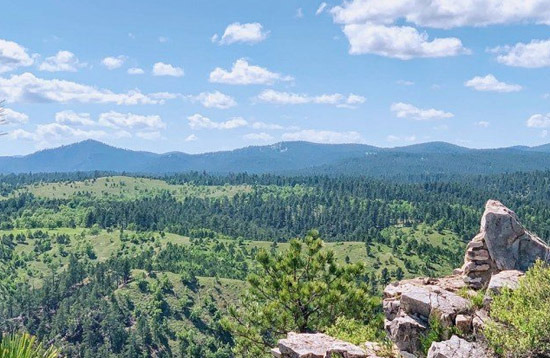
South Dakota is one of the states with the lowest population density in the United States.
The total area is about 199,000㎢, nearly double the total area of South Korea, which is 100,210㎢, but the population is about 920,000.
Calculating, there are about 4.6 people per ㎢, making it almost impossible to see people on the vast land. In terms of population density among the 50 states in the U.S., it ranks just after Wyoming and Alaska, which have almost no population.
As you go west, plains and hills continue, and the only places that can be called cities are the capital Pierre, the large city Rapid City, and Sioux Falls in the east, so most areas are quite remote.
So why hasn't the population concentrated here? The reasons can be summarized into three main points.
First, the climate and geographical conditions. South Dakota has a continental climate that is hot and dry in the summer and harsh with snow and wind in the winter. Especially since winters are long and temperatures often drop below -20 degrees, it is not easy for outsiders to live here. Moreover, the flat land and lack of trees mean that the wind blows fiercely, making the wind chill much lower than the actual temperature. As an agricultural-centered region, most areas are fields and pastures rather than urban, and due to the slow progress of urbanization, the population has not naturally dispersed.
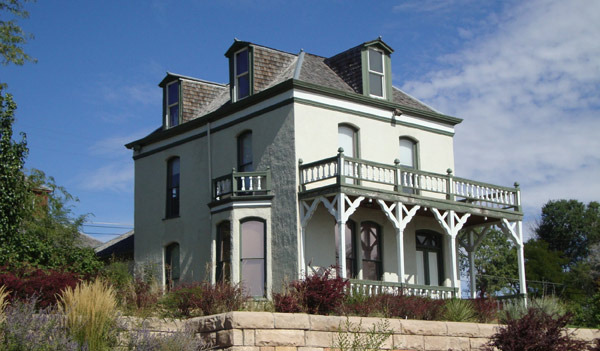
Second, the limitations of the economic structure. With a low proportion of technology, manufacturing, and finance industries, it has been difficult to create large-scale jobs. Young people often move to states with greater opportunities after completing their education. In particular, many migrate to states with solid industrial bases like Minnesota, Colorado, and Texas, leading to a continuous outflow of population. The lack of headquarters of large corporations or high-tech industry clusters, along with a less diverse service industry compared to large cities, has naturally prevented population concentration.
Third, the lack of social infrastructure. With a small population, the scale of social infrastructure such as hospitals, universities, public transportation, and cultural facilities is small. For example, the capital Pierre has a population of about 15,000, so even though it is the seat of the state government, it is very quiet. Public transportation has limited bus routes, and it is difficult to live without a car. Medical facilities also have fewer options compared to large cities, and to receive specialized treatment, one may have to travel several hours to Sioux Falls or Rapid City. This structure does not appeal to outsiders or young people, making migration difficult.
However, having a low population density is not necessarily a disadvantage. South Dakota has clean air and water, few natural disasters, and a crime rate much lower than the U.S. average. The state government's finances are stable, and the tax burden is low, making it one of the few states with no income tax. Therefore, it is considered an attractive place for retirees or remote workers seeking a quiet and stable life.
South Dakota has not concentrated its population due to three reasons: harsh climate, an agriculture-centered economy, and a lack of social infrastructure. However, it is a place worth living for those who seek a relaxed life due to its excellent natural environment and low cost of living.
A place where people choose space and leisure over the conveniences of the city, that is the true nature of South Dakota, which has a low population density but is still attractive.






 El Dorado |
 lightyear |
 Moscow Kim |
 coloradoman |
 Montgomery Mom |
 Dreams Come True as Desired |
 Dakota Man Blog Thanks |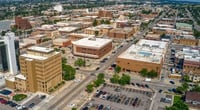
 DREAM BIG |
  frostbite |
  330 Forever My Love |
  dralix58 |
  Gorama Round |
  Skydiving |
  dreamport |
  Yellow Snowman |
  Toaster Pizza Magic Show |
  velvetnom |
  Anytime Journey |
  Mrs. Duluth |
  jaxter |
  Atlanta Mama |
  Baguette Blog |
  Tan Sol |
  US Embassy |
  Korean Mom |
  My NYC |