

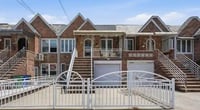
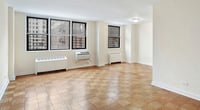
A couple decided to downsize after their children became independent. Not wanting to leave their beloved neighborhood, they chose to rent out their home in Flushing instead of selling it when they moved to a new apartment. If you're renting for the first time, it's best to go through the checklist of items to confirm in order.
First, check the rental prices. According to Leaseswap, the median rent for a one-bedroom in Flushing was $2,400 as of July 2026. RentCafe reports that the average rent during the same period increased from $2,158 to $2,318. Zumper states that as of August 2026, rents rose by 3.47% compared to the previous month and 2.72% compared to the previous year. The numbers may vary slightly across sources. Flushing is a fast-moving rental market, so it's best to compare a few similar units directly for accuracy.
Next is advertising. Use Zillow, StreetEasy, and local community channels. Including the distance to schools or subway stations can lead to quicker inquiries. Also, mentioning whether utilities are included and the move-in date can reduce response time.
There is also a process for tenant verification. Start by checking credit scores. Obtain proof of income. Review previous rental history. Take your time to go through these three steps. Many landlords look for income that is at least three times the monthly rent. This standard should be applied equally to all applicants. Rejecting tenants for reasons other than objective criteria like credit or income could violate fair housing laws.
The lease should specify the rental period, rent amount and due date, security deposit, repair responsibilities, pet policies, and who is responsible for utilities. In New York, the maximum security deposit is one month's rent. You cannot collect the first and last month's rent in advance. It must be settled and returned within 14 days after moving out. If there are deductions, provide a written breakdown of the items.
If rent is overdue, there is a procedure to follow. First, send a notice via certified mail after 5 days. If payment is still not made, issue a written notice after 14 days demanding payment or eviction. The notice must also indicate whether the Good Cause Eviction law applies.
It's also good to establish how you will show the property. Set a time to show it to multiple people at once. If you charge an application fee, set it at the level of the costs for credit and background checks. If the new apartment is nearby, you can show it directly, but if time is tight, you can also hire a management company to handle it.
Check insurance as well. You need to switch from renter's insurance to landlord's insurance to cover any accidents or liabilities that may arise after the tenant moves in. If the building is old, set aside some of the rent for repairs related to plumbing or heating. Also, organize the information for the security deposit account.
As the lease expiration approaches, notify the tenant of renewal at least 60 days in advance. If you do not plan to renew, this gives you time to find a new tenant. When downsizing and renting out your old home, it's wise to decide in advance how much management you will handle yourself.
To raise the rent, you must provide written notice at least 30 to 60 days in advance. Since Flushing has a fast turnover rate, setting a rent increase that is too high could lead to longer vacancy periods, so it's practical to refer to recent renewal cases of similar units. Using a standard lease form and only adding specific clauses as needed is a safe approach.
Specific conditions may vary depending on the type of building or individual contracts. Even if you leave a beloved neighborhood, if you manage things well, you can operate remotely without much trouble. Please consult a real estate attorney or management company before signing a contract. This article is for informational purposes only and does not substitute for legal advice.
 BaldNoShave
 Biscuit






 Sugar Cream Door Bulletproof Noodles |
 urbanmint |
 |
| 
 Premium Gas Camp |
 CA Real Estate |
 MintO |
 Vasila's Newlywed Blog |

 Whisper |
 UCLA Captain |
  lattecu |
  dynamite |
  frostingline |
  Hakuna Matata |
  Your Curiosity Resolved |
  Way to easy |
  Chino Min |
  nexabyte |
  moonshine 7 |
  Sunset Oregon |
  victoria 68 |
  golfmaster |
  Montgomery Mom |
  squidogame |
  Noodle Noodle |
  Rhode Island Good People |
  Big North |
  Famous Attractions in the United States |
  Jin Soo V |