

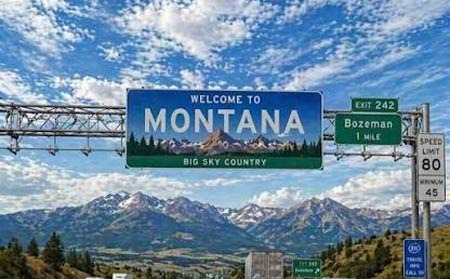
The weather in Billings, MT, exhibits a typical semi-arid continental climate found in the inland regions of the Northwestern United States.
It is characterized by relatively low annual precipitation due to the blocking of Pacific moisture by large mountain ranges, along with significant temperature variations both daily and seasonally. Billings is often mentioned as one of the areas with the most unpredictable weather in the U.S., with temperature swings of over 20 degrees in a single day not being uncommon.
Spring (March to May) is the most changeable season in Billings. March still feels quite wintry with many snowy days, and temperatures typically range from an average high of 7 to 10 degrees to a low between -5 and -2 degrees. As April arrives, temperatures begin to rise, averaging around 15 degrees, but sudden snowstorms can still occur. By May, average high temperatures exceed 20 degrees, and spring flowers start to bloom, leading to increased outdoor activities. Spring sees the highest precipitation of the year, concentrated in April and May, with May averaging about 50 to 55 millimeters, accounting for a significant portion of Billings' annual average precipitation of around 330 to 360 millimeters.
Summer (June to August) is the most pleasant season in Billings. While daytime highs can exceed 30 degrees, the low humidity means the heat is not overwhelming. June's average high is about 27 degrees, while July and August see averages of 32 to 33 degrees.
Precipitation decreases compared to spring, primarily falling as short, intense showers. Thunderstorms are common in summer, occasionally accompanied by strong winds and hail. With long daylight hours and many clear days, it is the perfect season for outdoor activities like hiking, golfing, camping, and fishing.
Fall (September to November) is considered one of the most beautiful seasons in Billings. September features warm days and cool nights, with average highs around 23 to 25 degrees. By October, temperatures drop sharply, averaging around 15 degrees, and the first frost and snowfall begin to occur. November brings winter-like temperatures, with days of accumulating snow.
The fall foliage creates stunning scenery in Billings and the surrounding areas, making it a great time to visit Yellowstone National Park.
Winter (December to February) is a harsh season in Billings. December's average low temperatures range from -10 to -15 degrees, and January and February can see extreme cold approaching -20 degrees. However, Billings tends to be milder compared to other northern cities in Montana, and when the warm Chinook winds blow, temperatures can suddenly rise above freezing even in mid-winter.
Annual snowfall averages about 55 to 65 inches (approximately 140 to 165 centimeters), which is quite significant, primarily falling from October to April.
The annual average precipitation is about 330 to 360 millimeters (13 to 14 inches), which is low compared to the national average. This indicates that Billings falls under a semi-arid climate, necessitating artificial irrigation to maintain lawns and gardens even in summer.
Billings enjoys about 300 days of clear or partly clear weather each year, and this abundant sunshine greatly contributes to residents' satisfaction with their quality of life. Those planning to relocate should thoroughly prepare for seasonal living, considering both the pleasantness of summer and the harshness of winter.
 LAVoice
 TeachBongnam
 LatteFocus


 Make My Day |
 viroma |
 eatontown blog |
 Toaster Pizza Magic Show |
 US Embassy |
  Childbirth Drabble Blog |

 valtri |
 tarvion |
  Cherokee Rose |
  Kor. Master |
  Holey Moley |
  Conflite Teacher |
  Hodong Prince Over Flex |
  Mist inn |
  citrus pop |
  Onion Ring |
  phoenixia |
  viewtop |
  loverun |
  Kim Do Sun |
  SEVEN SEVEN |
  yentra |
  Victory 1988 |
  Tonky |
  cookie |
  Live and that's it |