
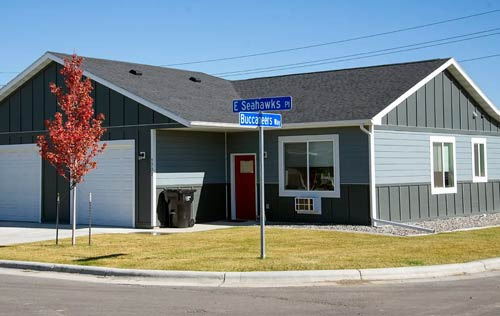
The housing market in Billings, Montana, has seen price increases over the past few years due to the overall real estate boom in the United States. However, compared to major western cities like California, Seattle, and Denver, it still maintains relatively reasonable price levels.
As the largest city and economic hub in Montana, Billings shows a stable real estate market with high housing demand compared to surrounding small towns and rural areas.
The median home price in Billings is estimated to be around $320,000 to $370,000 based on recent data. This is somewhat lower compared to the national average in the U.S. (approximately $400,000 as of 2024) and significantly lower than the overall average in Montana, where Billings is much more affordable than Bozeman (over $600,000) or Missoula.
Unlike Bozeman, which has experienced rapid price increases due to a tourism boom and an influx of remote workers, Billings tends to maintain a stable market focused on actual demand.
By housing type, single-family homes range widely from $250,000 to over $600,000 depending on the area and size. In the Billings Heights area, relatively affordable homes are traded in the low $200,000s to $300,000s, while upscale neighborhoods near Rimrock in western Billings or newly developed areas in the West End can list for $400,000 to over $700,000.
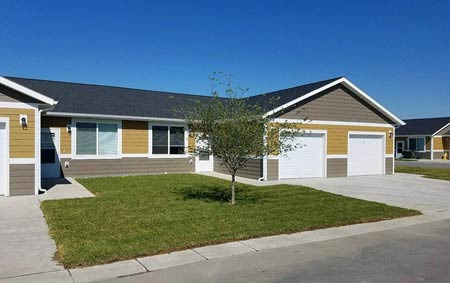
Condominiums and townhomes are priced lower than single-family homes, typically trading in the range of $150,000 to $300,000. For single-person households or first-time home buyers, condos or townhomes present realistic entry options.
Key features of the Billings real estate market include a lack of inventory. The housing supply shortage experienced by most U.S. cities after COVID-19 is no exception in Billings, leading to a tendency for listings to sell quickly when they become available.
Secondly, new construction is continuously taking place primarily in the western and southern outskirts of Billings, allowing buyers looking for new homes to expand their options in these areas.
Thirdly, property taxes in Billings are lower due to Montana's tax rates, meaning that even homes in the same price range have a lower annual tax burden compared to other states. Montana also has no sales tax, providing an overall cost of living advantage.
For those looking to purchase a home in Billings, it is important to note that rising mortgage rates may limit purchasing power in the current environment, making pre-qualification and pre-approval essential.
Latest market data and listings can be checked through local realty offices and the Montana Association of Realtors. Additionally, Billings is the economic center of Montana, with key industries such as healthcare, energy, and distribution supporting employment, which positively impacts long-term housing value stability.
In conclusion, the housing market in Billings maintains reasonable prices compared to other popular tourist cities in Montana while offering the conveniences of urban living. As long as stable demand focused on actual needs and consistent new development continue, the Billings real estate market is likely to remain of interest to both long-term residents and investors.
 RainbowCitrus
 NightMaker
 ChzPotatoFae





 moo moo |
 ultron78 |
 garlic bread |
 Sugar Cream Door Bulletproof Noodles |
 urbanmint |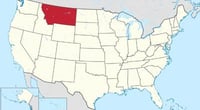
 Childbirth Drabble Blog |

 tarvion |
 Tonky |
  viroma |
  cookie |
  Live and that's it |
  Alright Twain |
  eatontown blog |
  HAWAII Korean Church News |
  Amore |
  linex |
  Balancework |
  laro90 |
  MEDBIO American Doctor Blog |
  SWAT TEAM BLK |
  DREAM BIG |
  frostbite |
  330 Forever My Love |
  El Dorado |
  dralix58 |
  Gorama Round |
  Skydiving |