
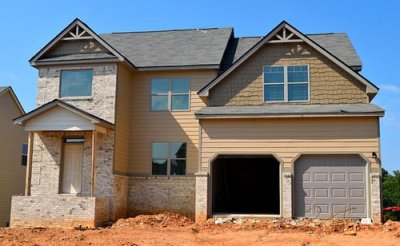
Among the cases I examined, there was an investor who calculated the returns on several condos near Kendall Square and in the western outskirts of Cambridge one by one. Even within the same city, the purchase price varied significantly depending on the area, leading to cases where the rankings flipped when comparing total returns.
The rent in Cambridge for 2026 shows variations across different sources. As of June, the average was $3,683, with the average for a one-bedroom at $3,363 and the median rent at $2,742. This is about 69 percent higher than the national average. On the purchase price side, condos have recently been adjusted, dropping from a peak of $975,000 to around $855,000, while the market median for condos is also reported to be around $870,000.
Calculating based on one-bedroom rent, the total return from an annual rental income of $40,356 divided by the purchase price of $855,000 is 4.72 percent. When property taxes are included, the story changes slightly; the residential tax rate for Cambridge in the 2026 fiscal year is $6.67 per $1,000, which translates to an effective tax rate of about 0.67 percent. This is relatively low even within Massachusetts. However, this rate includes a significant residential exemption that applies up to $510,208, so for investment condos that are not owner-occupied, the tax rate applies to the entire assessed value without this benefit, which is an important point to note.
If we assume operating costs at 50 percent, the NOI is calculated at $20,178, and the cap rate is about 2.36 percent. Adding in the unique HOA fees for condos, which can range from $250 to over $700 per month, the actual cap rate could be even lower. In areas like Kendall Square, where purchase prices are particularly high, the gap between total returns and cap rates widens, while moving towards the western outskirts, the purchase prices decrease, resulting in relatively higher cap rates for the same rent.
Calculating based on studio units, the total return from an annual rental income of $34,440 divided by the condo median of $855,000 is 4.03 percent, which is lower than that of one-bedrooms. Conversely, two-bedrooms have an annual income of $51,144, leading to a total return of 5.98 percent. The stark differences in total returns by unit size are one of the characteristics of the Cambridge rental market. Compared to Boston's residential tax rate of $12.40 per $1,000, Cambridge's $6.67 is nearly half, showing that there are significant tax rate differences among cities in Massachusetts.
If purchasing with a loan, the cash-on-cash return must also be considered for a complete picture. This method calculates pre-tax cash flow relative to the down payment and closing costs, but in a high purchase price market like Cambridge, the larger loan amounts often mean that the mortgage principal and interest burden pulls the cash-on-cash return lower than the cap rate. The investor who compared multiple properties ultimately ranked them again based on cash-on-cash returns.
Cambridge is a stable market for rental demand, anchored by Harvard and MIT, but this also means a high barrier to entry for purchase prices. Condos near school districts preferred by Korean families often form at even higher price points. For school district ratings, refer to GreatSchools or Niche, but keep in mind that boundaries change frequently, so it's advisable to check the assigned school for the specific address before purchasing.
If moving to Cambridge from another state, do not judge solely by the surface tax rate being low; remember that exemptions do not apply to investment properties. Comparing total returns, cap rates, and cash-on-cash returns in order will reveal the actual profit differences between properties. This article is not investment or legal advice, and tax rates and market prices can vary by individual property and time, so consulting a professional before making a contract is recommended.
 SkylineWalker
 MARIO 2022







 |
| 
 Premium Gas Camp |
 CA Real Estate |
 cheesepup |
 breezem |
 lollipop |
 Spaghetti Pasta Fan |

 Cap Com |
  nixxon |
  kevin Kim |
  beerdreamer |
  Kims Spring |
  White bunny |
  Kansas City Representative Singer |
  shadow 007 |
  sun walker |
  Choco Choco Star |
  midnight blue |
  honeypot |
  summer |
  adventure77 |
  flexible |
  Shintongbangtong Shin Naerin James Park |
  truepixel |
  Kathy's Blog |
  Hae Naem |
  quatspace |