
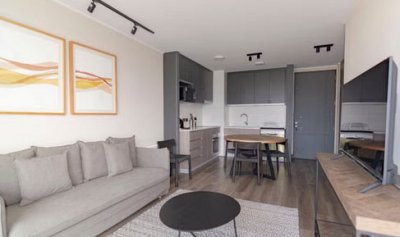
There is a family that has been renting in Washington DC for several years. Each time they renew their lease, the rent keeps increasing, while the home prices in the neighborhood remain relatively stable, which puzzled them. They thought that if home prices go up, rents would follow, and if home prices go down, rents would decrease as well. However, in reality, these two figures often move independently.
Recent data from DC reveals this trend. According to Redfin, the median home sale price last month was $700,000, which is down 2.1% from a year ago. In contrast, the median rent reported by Apartment List in July 2026 was $2,133, which is 3.5% lower than a year ago. However, in the past month, rents have increased by 1.0%, indicating a divergence in trends. The sales market reacts more sensitively to interest rates and lending conditions, while the rental market is more influenced by new supply and tenant demand, so the two curves do not always move together.
Looking at the trends over the past 1-2 years, the sales market in DC has been suppressed due to changes in federal government employment and interest rate burdens, while the rental prices experienced adjustments during periods of increased new apartment supply. The recent rise in rent over the past month can be seen as a signal that demand is reviving as supply is absorbed.
One useful metric to consider at this point is the price-to-rent ratio. This is calculated by dividing the sale price by the annual rent, and for DC, it stands at 27.3. Generally, a ratio above 20 is interpreted as indicating that renting is relatively more affordable.
When comparing how rent and sale prices differ within the same budget, it becomes clear. The first consideration is whether it is more manageable to pay $2,133 in rent each month or to make a down payment and pay a mortgage that is equal to or greater than that amount. Since home prices in DC are relatively high, the loan principal is also larger, and when you add interest, property taxes, and insurance, the monthly payment often exceeds the rent. Especially when considering the initial costs of buying, such as closing costs, the burden can be greater for short-term residents, so it makes sense to first determine the minimum expected duration of residence before starting calculations. Given that DC has a high proportion of condos and townhouses, you also need to factor in HOA fees to accurately gauge the actual monthly burden. With home prices around $700,000, it is easy for the monthly payment based on the loan principal alone to significantly exceed the rent of $2,133, and when you add management fees, the gap widens further. There are also differences in temperature by property type. Townhouses tend to have less inventory, providing price support, while newly built condos often show greater room for rent negotiation during periods of high supply. Even with the same budget, comparing properties in DC with those in nearby Maryland and Virginia can reveal significant differences in sale prices and property tax burdens.
It is also important to consider whether you have enough for a down payment and how many more years you plan to stay in the area. If your residence period is short or if you might move in the future, the advantages of buying are diminished due to closing costs. Conversely, if long-term residence is certain, the calculation for buying, where the money paid each month accumulates as an asset, changes.
DC is a place where many Korean families look into nearby areas based on school districts. While school ratings can be referenced from GreatSchools or Niche, school boundaries change frequently, so it is advisable to check the assigned school for the specific address before purchasing. If you are moving from another state, it is also good to keep in mind that the property tax and insurance systems may differ from your previous residence.
While it may seem that home prices and rent would move in the same direction, they are actually influenced by different forces. This article is not investment or legal advice, and it is recommended to consult with a professional before making any actual contracts.
 FingerJax
 WinterPlus









 urbanmint |
 |
| 
 Premium Gas Camp |
 CA Real Estate |
 El Dorado |
 Washington Monument |
 Lemon EV Car |
 Another Eden Channel BLOG |
 washington mom |
  UCLA Captain |
  lattecu |
  dynamite |
  frostingline |
  Hakuna Matata |
  Your Curiosity Resolved |
  Way to easy |
  Chino Min |
  nexabyte |
  moonshine 7 |
  Sunset Oregon |
  victoria 68 |
  golfmaster |
  Montgomery Mom |
  squidogame |
  Noodle Noodle |
  Rhode Island Good People |
  Big North |
  Famous Attractions in the United States |
  Jin Soo V |