

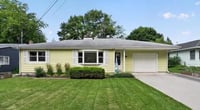
After being assigned to another state, many people choose to rent out their home in Lansing instead of selling it. The most common question they ask is usually similar: How much should I charge for rent? It's easy to feel rushed when you have to leave your home empty, but if you follow the proper steps, you can manage the process smoothly.
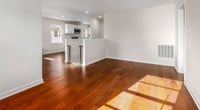
First, it's important to check the condition of the house. Make sure the smoke detectors and carbon monoxide detectors are working, and check for any repairs needed on the walls or floors before preparing your advertisement. Since this is your last chance to see the house in person before leaving, it's best not to overlook this step. If you still have a mortgage, it's wise to confirm with your mortgage agreement whether you need to inform the lender about renting out the property.
According to Zumper data, as of August 22, 2026, the average rent in Lansing was $1,095. This is 43 percent lower than the national average, and areas like downtown Lansing or Riverpoint are even cheaper, around $950. While it may seem low from an out-of-state perspective, it's best to set your price considering the local market. Deciding whether to set the rental period for one year or on a month-to-month basis at this time can reduce future negotiations with tenants. Neighborhoods with stable school districts tend to attract family tenants, so checking the assigned schools for the property address in advance can be helpful.
The next question is how to find tenants. Listing your property on platforms like Zillow or Zumper and clearly stating the rent, security deposit, move-in date, and pet policies will help filter inquiries. If managing the property from a distance is difficult, it may be worth considering hiring a local property management company. These companies typically charge a percentage of the rent as a fee but handle tenant interactions and repair requests for you.
The third common question is how to screen tenants. The process of checking credit scores, income verification, and previous rental history is known as tenant screening. Many landlords look for tenants whose income is at least three times the rent. The more remote your management situation is, the more thorough you should be in this step to avoid future issues. It's common to charge a small application fee when receiving applications, which can cover the costs of credit checks and background investigations. If an applicant is lacking documentation or seems questionable, it's safer to wait for the next inquiry rather than taking a risk.
The fourth aspect is the lease agreement. The lease should include the rent amount, payment due date, security deposit amount, lease term, maintenance responsibilities, and rules regarding pets and smoking. If you are managing remotely, it's also good to clarify who will handle repair requests and how they will be processed. Here are some items that are often overlooked when drafting the lease:
- Method of rent payment and late fee policy
- Security deposit return procedures and timeline
- Contact information for repair requests and processing timelines
- Conditions for early lease termination and renewal
When renting out your home, your existing homeowner's insurance may not be sufficient, so it's worth considering switching to rental insurance. According to Michigan regulations, the security deposit cannot exceed 1.5 times the monthly rent and must be returned within 30 days after moving out, along with a statement of deductions. Tenants can dispute any deductions within 7 days of receiving the statement. If rent is overdue, a 7-day eviction notice must be sent before proceeding with further actions. From my observations, those managing rentals from out of state often face difficulties due to missing these deadlines. Organizing documents related to rental income in advance can also make tax season much easier.
Specific provisions may vary by county or situation. This article is intended for general informational purposes, and it is advisable to consult a real estate attorney or property management company before finalizing any agreements.
 GodOfWealth
 HarleyDavis




 Sugar Cream Door Bulletproof Noodles |
 urbanmint |
 |
| 
 Premium Gas Camp |
 CA Real Estate |
 sugartrail |
 vanillastorm |
 raspberry7 |
 toffee |
  churrotop |
  swiftlane |
  allstar realty |
  mystery |
  dermoon |
  UCLA Captain |
  lattecu |
  dynamite |
  frostingline |
  Hakuna Matata |
  Your Curiosity Resolved |
  Way to easy |
  Chino Min |
  nexabyte |
  moonshine 7 |
  Sunset Oregon |
  victoria 68 |
  golfmaster |
  Montgomery Mom |
  squidogame |