
These days, many people reach for Tylenol or Advil as soon as they feel a headache coming on. Honestly, I used to do the same.
I had a bottle of painkillers in my desk drawer, one in my bag, and another in my car. I thought it was completely normal.
But at some point, I started getting headaches almost every day. Taking medication would help for a little while, but then the pain would return the next day, so I would take more.
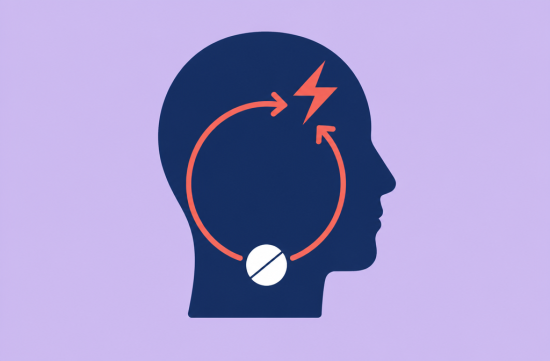
It turns out this is a recognized condition. It's called medication overuse headache, or MOH for short.
When I asked my friends, quite a few of them had similar experiences. They all thought they just had a naturally headache-prone constitution.
In the past, it was also referred to as rebound headache. This is when the medication taken to relieve headaches actually causes them to occur more frequently.
When I first heard about this, I was a bit shocked. I took the medication because I was in pain, and now that was the cause? So, I looked up the official criteria and hospital resources myself.
According to the International Classification of Headache Disorders, 3rd edition (ICHD-3), the criteria are more specific than I expected. It starts with someone who already has a headache disorder experiencing headaches on more than 15 days a month.
There's also a condition that they have been using painkillers excessively for more than three months.
The criteria vary by type of medication. Simple painkillers like acetaminophen or ibuprofen are considered overuse if taken on more than 15 days in a month.
For triptans, which are migraine medications, and combination painkillers, the threshold is lower at more than 10 days a month.
This means if you're taking painkillers habitually three to four times a week, it's worth checking in on your usage. The key point is that taking smaller amounts frequently over several days can be more problematic than taking a large dose at once.
The characteristics mentioned in Mayo Clinic resources resonated with me. Headaches occurring daily or almost daily, often starting from the moment you wake up, are common signs.
A change in your usual headache pattern is also a signal. Particularly, those who have suffered from migraines for a long time are more likely to develop this condition.
So, what can you do? I'll summarize what I've tried. There's nothing grand, just practical steps you can take today.
The first is keeping a headache diary. It doesn't matter if you use a phone memo app or a calendar.
Just noting the days you have headaches, the names of the medications you took, and how many pills you took is enough. I was genuinely surprised when I looked back at a month's worth of records. I was taking them much more often than I realized.
The second step is counting the days you take medication. Some headache clinics in the UK recommend not taking any painkillers more than twice a week, which is a more generous guideline than the diagnostic criteria.
The third step is checking for combination ingredients. Many cold medications or sleep aids contain pain-relieving components, so you might be taking more than you realize. It's surprisingly common to take two different medications that have the same active ingredients.
Even for OTC medications bought at the pharmacy, make sure to check the Active ingredients section on the label. The maximum daily dosage is also listed there.
The fourth and most important step is not to try to quit on your own too abruptly. Sometimes, people become overly motivated and stop everything at once, which can make things worse.
According to Mayo Clinic, reducing or stopping medication can initially worsen headaches. Withdrawal symptoms like nausea, anxiety, and restlessness can also occur.
Typically, improvement is seen within a week, but it varies from person to person and depends on the medications being taken.
So, if you find yourself taking painkillers this frequently, be sure to consult with a doctor or pharmacist. They can help you find preventive medications or other treatment options.
If you're worried about insurance, it's practical to start by scheduling an appointment with your primary care physician (PCP). Showing them your headache diary during your visit can speed up the conversation significantly.
And if you suddenly experience an extremely severe headache for the first time, along with symptoms like slurred speech or weakness in your limbs, don't hesitate to go straight to the emergency room.
Lifestyle habits also play a significant role. Factors like sleep duration, water intake, coffee consumption, and skipping meals are often linked to headaches. Keeping track of these in your headache diary can help reveal patterns.
Personally, I wish more people were aware of this information. Painkillers are easy to buy at the store, but the risks of overuse are rarely discussed.
This seems especially true for those who are busy working and don't have time to visit a doctor, or for those who find it daunting to explain their symptoms in English.
If I were you, I would start keeping a record for just one month. Seeing the numbers can give you a clear picture of where you stand. Bringing that record to the doctor can help them understand your situation much faster.
Painkillers are undoubtedly helpful medications. Just remember that once they become a habit, they can actually worsen headaches—that's all you need to keep in mind.
 MagicGarden83
 redcloudwalker1993







 fruitflash |

 Anjollinya Blog |

 United States Army |

 premium |

 The Emperor Must Grow |

 American Food Information & Calories |

 Runner Kim |



 U.S. Weather Bureau News |
 strawberry |
 US Regional Information Local News |
 USA Business News |
 Blondee |
 E whisper |
 Potato House |
 freshmint |
 Ansaso |
 Golado |
 babybay |
 honeycom |
 French Macarons |
 Exploring American Life Information |
 Sunshine Blog |
 Community Cross |
 Sayonara H |
 What can make money? |
 Information Search LifeMAN |
 morvex37 |
 neontrail |