
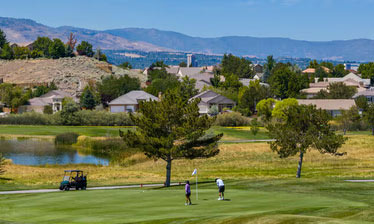
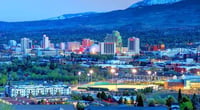
The weather in Reno, Nevada can be summed up as a "high desert climate." Located at an elevation of about 1,372 meters (4,505 feet), Reno is influenced by both the Nevada desert and the Sierra Nevada mountains, resulting in hot, dry summers and cold winters with low humidity.
According to data from the National Weather Service, Reno is also known as the "City of Sunshine," recording over 300 days of clear weather annually. This creates a completely different atmosphere compared to the cloudy and rainy weather of Seattle or San Francisco.
Spring (March to May) is the most unpredictable season in Reno. The average high temperature in March is around 12-13 degrees Celsius, while the low is about -1 to -2 degrees. As April and May approach, temperatures rise quickly, with the average high in May reaching about 21-22 degrees. During spring, melted snow from the Sierra Nevada flows into the Truckee River, increasing water levels, making riverside hiking particularly beautiful. However, strong winds and unexpected late frosts can occur, so caution is advised for outdoor activities. Especially in March and April, temperatures can vary by more than 20 degrees between day and night, so layering is recommended.
Summer (June to August) is the peak season in Reno. The average high temperature in June is about 30-32 degrees, and in July and August, it often exceeds 35 degrees. However, the low humidity means that the heat feels different compared to the humid heat of the eastern or southern United States. Evenings often see a rapid drop in temperature, making it feel refreshing. Reno's annual rainfall is only about 7 inches (approximately 18 cm), making summer particularly dry. Intermittent thunderstorms can occur in July and August, referred to as "Monsoon Season," bringing short but intense downpours. Summer in Reno is the time for the most outdoor events and festivals, including the Hot August Nights car festival and the Reno Air Races.
Fall (September to November) is a very mild and pleasant season in Reno. The average high temperature in September is around 27-28 degrees, dropping to 17-19 degrees in October. The fall foliage of the Sierra Nevada mountains coincides with optimal conditions for outdoor activities near Reno. The autumn scenery at Lake Tahoe is particularly beautiful, leading to a significant increase in visitors during this time. From mid-November, temperatures begin to drop below freezing, marking the start of the first snowfall. Fall precipitation accounts for a relatively large portion of the annual total, similar to spring.
Winter (December to February) in Reno is cold with snowfall, but the dry climate makes it easier to endure than damp cold. The average high temperature in December and January is about 6-8 degrees, with nighttime lows around -5 to -8 degrees. The annual snowfall in downtown Reno is about 23-25 inches (58-63 cm). While this is not much compared to cities in the central interior or northeastern U.S., the mountainous areas around Lake Tahoe receive hundreds of inches of snow annually, activating ski resorts. Snow removal in the city is relatively quick, but winter tires or chains may be necessary on mountain roads in Washoe County. Reno's winter also boasts a relatively long average sunshine duration, with many clear days that help reduce winter blues.
When applying Reno's weather to daily life, there are a few practical considerations to keep in mind. First, due to the high altitude, the UV index is higher than at lower elevations, so sunscreen use is recommended year-round. Second, the dry climate can lead to dry noses and throats, making the use of humidifiers and adequate hydration important. Third, spring and fall are times when fire risks increase, so it's essential to check regulations when having campfires or outdoor burning. Fourth, during heavy winter snowfall, the I-80 highway leading to Sparks and Truckee can be intermittently closed, so it's important to check weather forecasts when planning trips over the mountains. Understanding and preparing for these characteristics allows you to appreciate the distinct charm of each season in Reno.
 SkyVision
 SunnyBridge92



 My Town My Way Blog |
 Arizona AZ Cowboy |
 Valley Hong |
 Mr Oh |
 ollege Mom |
 zoryan |
 elion |
 Nevada Teppanyaki |

 Two LaLa World |
  loveyom |
  Coastal city |
  Spaghetti Flying Religion |
  holy cow |
  endone |
  starline |
  Where is a really nice neighborhood? |
  Real Estate |
  Forest Gump |
  Real Estate Investment Korean American |
  Dollydori, Lover of Movies |
  dmzline |
  travelo |
  American Food Information & Calories |
  Splendid Mission |
  sparklingo |
  Watch Walker |
  Soy Angelino |
  autumn |