

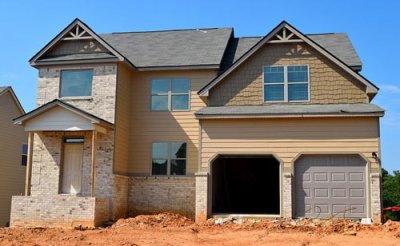
Ann Arbor is a city centered around the University of Michigan, which serves as a single employment hub. Looking at the overall population flow in the city, there has been a gradual fluctuation in recent years rather than a significant influx, and interpreting this flow as it is can lead to misunderstandings about the market.
According to demographic estimates, the population of Ann Arbor is projected to be 121,651 by 2026, with a recent annual growth rate close to minus 0.5%. However, it is important to note that there has been a cumulative increase of 7.7% since 2010. In simpler terms, while there is a slight annual fluctuation in population, the long-term trend is still upward. Since the University of Michigan consistently supplies new students, research staff, and hospital personnel each year, the actual demand in areas adjacent to the university tends to remain much more stable than the overall city numbers.
In terms of pricing, the median home value in the Ann Arbor metro area, based on the Zillow Home Value Index (ZHVI), is $388,706, which has increased by 2.5% over the past year (Zillow, as of June 30, 2026). The area near the university, 48104, has a median value of $593,803, with a 1-year growth rate of 4.0%, significantly higher than the city average. If the terminology is unfamiliar, think of ZHVI as a representative price index estimated by Zillow based on listing data, used for comparing trends across regions rather than actual transaction prices.
It is also important to consider the inventory situation. According to recent data, the supply in the Ann Arbor market is about 3.1 months, and the average time to sell a home is 32 days, which has increased from 25 days a year ago. This signals a shift towards a balanced market where buyers can have some negotiating power, moving away from a market that was previously heavily favorable to sellers.
The interest rate environment should also be noted. As of July 2026, the average 30-year fixed mortgage rate based on Freddie Mac's PMMS is around 6.6%. Existing homeowners who secured loans at 3-4% between 2020 and 2021 face increased interest burdens if they sell their homes and buy new ones, leading to a nationwide lock-in effect, and Ann Arbor is no exception.
Rental figures are also worth considering. According to RentCafe, the average rent in Ann Arbor is $2,058 per month, which is a decrease of 0.61% from a year ago. For investors, comparing this number to purchase prices can be a starting point. Using the commonly referenced 1% rule, which suggests that if the monthly rent is more than 1% of the purchase price, the cash flow is likely to be decent, it can be challenging for properties near the university to meet this criterion. It is safer to calculate the actual cash flow against the invested capital by also considering cap rates and cash-on-cash returns.
For families coming from out of state, it is important to be aware of Michigan's unique property tax assessment method. In Michigan, the taxable value can be reassessed to be close to the purchase price at the time of acquisition, so if you only consider the tax levels from your previous state, the burden may be greater than expected. Many families prioritize school districts, so while it is advisable to refer to indicators like GreatSchools or Niche, keep in mind that school district boundaries change frequently, so it is wise to verify the assigned school for a given address before signing a contract.
When approaching this as an investment, it is crucial to assess risks as much as calculating returns. Excessive leverage can lead to cash flow disruptions due to vacancies or interest rate fluctuations, and it is common for property taxes to be reassessed after purchase, resulting in a greater tax burden than anticipated. If you are overly optimistic about vacancy periods and maintenance costs, the actual returns may end up being lower than initially calculated. In simpler terms, do not stop at a first calculation comparing purchase price and rent; you should also conduct a second calculation that includes taxes, vacancies, and repair costs. For those who have just moved from Korea and are looking for their first home, it is helpful to prepare credit history and income documentation in advance, as the mortgage approval process in the U.S. differs significantly from that in Korea.
In summary, Ann Arbor's market is supported by a fixed demand axis centered around the university rather than explosive population influx. For actual residents, now may be a good time to test negotiating power as the market shifts towards balance, and for investors, it is necessary to calculate rental yields alongside property tax burdens. This article does not constitute investment or legal advice, and it is recommended to consult with real estate and tax professionals before making any actual contracts.
 AlpacaScarf
 OceanHarbor79





 Premium Gas Camp |
 CA Real Estate |
 cheesepup |
 breezem |
 yentra |
 crumb |
 marydock |


 French fries |
  Rynex |
  Caribbean |
  Let's Be Like a Salt-like City Person |
  Belgray Miscellany |
  sweetvan |
  Augusta Univ |
  Round and Round Children's Song Kingdom |
  butter 90 |
  Lando Mao |
  Washington Denzel DJ |
  LIZ Legal Information Blog |
  vegas mom |
  Sandiego Auntie |
  Things to know |
  TEXAS Fishing Boat |
  AUTO OK |
  aaoaa |
  Florida King |