

When looking for a home in Manhattan, one gets the impression that townhouses occupy an ambiguous position between condos and single-family homes. If we examine how these three options actually differ within the same budget, it becomes clearer why this location is so appealing.
Starting with the condo market, the median sale price for Manhattan condos reached around $1.25 million in the second quarter of 2026. In contrast, the median price for single-family homes was $10.5 million as of March this year, a staggering 83.4% increase compared to the previous year. However, this figure is largely influenced by a small number of ultra-high-end properties that skew the average, making it difficult to accept as a typical single-family home price.
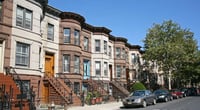
In between is the townhouse. Townhouses in Central Harlem traded between $1.8 million and $3 million in the first quarter of this year. While this is definitely higher than condos, it appears more accessible compared to the median price of single-family homes, which has been driven up by a few ultra-high-end listings. Townhouses are typically whole buildings with multiple floors, meaning both the land and the building are privately owned, and they often do not require large monthly fees to a management association like condos do.
If we look at how A and B differ within the same budget, condos offer amenities like doormen and gyms, but they may come with monthly maintenance fees and separate building maintenance charges. Townhouses, lacking these shared facilities, can generate rental income by leasing out individual floors, which is attractive to investors. In fact, in New York, it has long been common to rent out one floor of a townhouse while living on the other floors to reduce mortgage burdens. However, rental income can fluctuate due to vacancies and changes in New York City rental laws, so it's wise not to approach it with the expectation of guaranteed profits.
Families choosing condos in Manhattan often prefer to delegate building management and security entirely. Buildings with doormen alleviate concerns about package deliveries or visitor management, and it is common for maintenance of heating and cooling systems to be included in the maintenance fees. On the other hand, townhouses lack these conveniences but have lower fixed monthly costs, and owners have much greater discretion regarding renovations or rental use. Ultimately, which option is right depends on whether one has the time and willingness to manage things directly. Additionally, some condos in New York City may qualify for tax relief programs, meaning that even with the same sale price, actual holding costs can vary. Townhouses are often excluded from these relief programs, so it's more accurate to consider total expenses, including tax benefits, rather than just comparing sale prices.
For families moving to New York from other states, it's also important to understand the difference between New York City condos and co-ops. Co-ops involve purchasing shares in a building, which requires board approval and often has different loan conditions than condos. For families newly immigrating from Korea and settling in New York, this concept may be unfamiliar; condos are similar to the apartment ownership model in Korea, while co-ops are much more restrictive in structure.
Considering the school districts preferred by Korean families, there can be significant variations in assigned schools even within Manhattan, so whether it's a condo or a townhouse, it's advisable to first check the assigned school ratings for the address on platforms like GreatSchools or Niche. School district boundaries can change unexpectedly, so it's also necessary to reconfirm through a broker.
Ultimately, townhouses in Manhattan have established themselves as a compromise between the maintenance costs of condos and the ultra-high prices of single-family homes. It's a matter of weighing budget, rental income plans, and lifestyle, and this article is not investment or legal advice, so it's essential to consult with professionals before making any actual contracts.
 TOUCHME
 AloeFairies







 |
| 
 Premium Gas Camp |
 CA Real Estate |
 cheesepup |
 breezem |
 newyorker 101 |
 Encyclopedia of New York and Surrounding Areas |
 International Court |
 PPAP Pineapple Pen |
 eatontown blog |
  La Bean |
  American History This and That |
  Monte Sori |
  U donn |
  Sarah's Blog |
  Holy Cow |
  monster |
  houston mama |
  Reggae Party |
  Thou Thou |
  Tennessee Land |
  custardnew |
  Chimhanbang Korea ACU |
  See South Carolina |
  dorex |
  Taek Jun |
  Choi Cho |
  Anova US Beauty Information |
  whiskerbread |
  Yo Lock Me Up |