
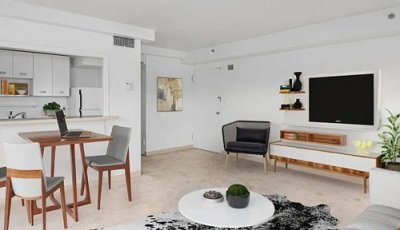
If you have the same budget, it helps to compare single-family homes with yards and low-maintenance townhomes side by side in Minneapolis. Families prioritizing yards and extra space tend to choose single-family homes, while those wanting to reduce maintenance burdens naturally lean towards condos or townhomes.
According to Redfin, the median sale price for all of Minneapolis is $364,782 as of May 2026, which is a 1.6% increase from the previous year. By type, the average price for single-family homes is $390,500, while the average price for condos is $249,900, with condos seeing a 7.7% increase compared to last year. Townhomes showed little price fluctuation compared to the previous year. There are an average of three offers per property, and contracts are typically signed within 21 days, indicating ongoing competition among buyers.
Data from Homes.com shows that as of April 2026, the overall median home price in Minneapolis is $345,000, with an average sale price of $419,461. When looking specifically at townhomes, prices range widely from $162,000 to $1,599,000, reflecting a mix of urban small townhomes and larger townhomes in upscale areas like North Loop. In fact, the median price for townhomes in the North Loop area is $377,500, which is higher than the citywide average. Townhomes tend to stay on the market for an average of about 38 days, selling somewhat more leisurely than single-family homes.
When comparing the two options side by side, here's what you find. Single-family homes offer yards and separate garages, along with spacious interiors, but homeowners must also take care of the roof and landscaping. Townhomes and condos have their exteriors and common areas managed by an HOA, but this comes with a fixed monthly maintenance fee. Given the long winters in Minnesota, many families choose townhomes or condos to lessen the burden of snow removal and roof maintenance. The difference in experience between having to clear driveways and roofs for single-family homes versus having an HOA handle it for townhomes is particularly noticeable during heavy snowfall in winter.
Investors looking for rental income should consider both types side by side. Single-family homes are generally easier to rent to families for the long term, but landlords must manage the yard and exterior. Condos and townhomes have less management burden, but maintenance fees can reduce rental yields. There's no guarantee that prices will continue to rise, so it's wise to also look at the supply levels in different areas. Minneapolis has a concentration of universities, hospitals, and corporate headquarters downtown, so rentals targeting downtown workers tend to have relatively low vacancy rates for condos and townhomes.
In areas close to downtown, like North Loop or along the Mississippi River, the market is primarily composed of high-rise condos, while areas further from the river mix townhomes and single-family homes. Downtown workers tend to prefer condos for commuting convenience, while families with children show a clear preference for single-family homes in lake-adjacent neighborhoods. Given that Minnesota has many lakes, it's also important to consider how lake access affects prices.
Korean families that place a high value on school districts often compare single-family homes in nearby suburbs with high ratings, such as Edina or Minnetonka. School district boundaries change frequently, so it's advisable to check the assigned school for a specific address before purchasing.
Families moving to Minnesota from other states should also consider that winter maintenance costs and state income tax structures may differ from their previous residences. Particularly, families coming from areas with less snow may overlook budgeting for snow removal equipment or heating costs, which can be significant for single-family homes, as these expenses fall entirely on the homeowner. Tax and HOA regulations can vary by jurisdiction and community, so it's best to consult with a professional for specific details. This article does not constitute investment or legal advice, and consulting a professional before making any contracts is recommended.
 LoLoL
LoLoL
 OceanStone84








 |
| 
 Premium Gas Camp |
 CA Real Estate |
 cheesepup |
 breezem |
 Minnesota Sonata N |

 Minnesota Lakes and Clouds |

 La Bean |
  American History This and That |
  Monte Sori |
  U donn |
  Sarah's Blog |
  Holy Cow |
  monster |
  houston mama |
  Reggae Party |
  Thou Thou |
  Tennessee Land |
  custardnew |
  Chimhanbang Korea ACU |
  See South Carolina |
  dorex |
  Taek Jun |
  Choi Cho |
  Anova US Beauty Information |
  whiskerbread |
  Yo Lock Me Up |