

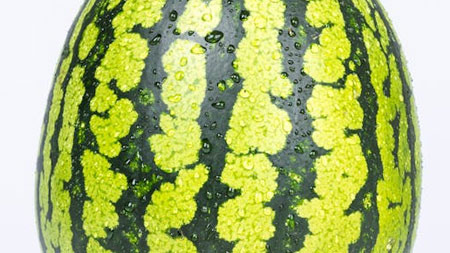
When you think of watermelon, the refreshing and sweet taste of summer comes to mind. Watermelon, which helps you forget the hot weather for a moment, has many interesting facts and various uses that you might not expect. Today, let's learn a little more about watermelon.
Origin and Characteristics of Watermelon
Watermelon is a fruit belonging to the gourd family, and it is believed to have been first cultivated in ancient Africa. It then spread worldwide, leading to the development of varieties with sweeter and redder flesh. In our country, it is extremely popular as a representative fruit for hydration during the hot summer.
Nutritional Components
Sweet watermelon is mostly made up of water, which makes it excellent for quenching thirst. It also contains antioxidants like lycopene and beta-carotene, which are good for health. Lycopene is found in tomatoes as well, but watermelon contains a significant amount, which is said to help with skin health and cardiovascular health. Additionally, it contains vitamins A, C, and potassium, allowing for a balanced intake.
How to Choose Watermelon
When selecting a watermelon, it's good to first lift it to check its weight. If they are the same size, a slightly heavier watermelon is likely to have higher water content and sweetness. Also, if you tap the skin and hear a clear, ringing sound, it is considered a sign that it is ripe. If there are distinct yellow spots on the bottom (the part that touched the ground), it indicates that the ripening process has gone well.
Storage and Preparation
Watermelon can easily become mushy once cut, so it is best to cut and store it just before eating. If you can't eat it all at once, wrap the leftover part tightly in plastic wrap and refrigerate it, or store it in an airtight container. The riper the watermelon, the more quickly it can become mushy, so it's best to consume it as soon as possible.
Unique Ways to Use Watermelon
When you think of watermelon, you might first think of just cutting it up to eat, but it can also be enjoyed in various dishes and drinks. For example, watermelon juice or watermelon ade is great for quenching thirst, and freezing it like ice cream makes for a refreshing dessert. Additionally, adding a little seasoning to it and serving it in a salad can create a sweet and sour harmony. There are also ways to utilize the watermelon rind, such as making pickles or preserves. Slicing the white part thinly and salting it, then seasoning it, can create a very unique side dish.
No matter how delicious and healthy it is, it's best to avoid excessive consumption. Due to its high sugar content and water content, eating too much at once can cause bloating or stomach upset. Also, those who need to manage their blood sugar should be careful not to consume too much at once.
Watermelon is not only sweet and refreshing but also a representative summer fruit packed with various nutrients and hydration benefits. Enjoy it in moderation to beat the heat and take care of your health. Trying out unique recipes can allow you to enjoy watermelon in even more diverse ways, so I recommend giving it a try when you have the chance.






 Yellow Snowman |
 Moscow Kim |
 Seattle - Emerald City |
 self-evaluation |
 Sandiego Auntie |
 NC Dreamer |
 Balan |
 Audio Mania World |

 secure |
  Tonky |
  viroma |
  cookie |
  Live and that's it |
  Alright Twain |
  eatontown blog |
  HAWAII Korean Church News |
  Amore |
  linex |
  Balancework |
  laro90 |
  MEDBIO American Doctor Blog |
  SWAT TEAM BLK |
  DREAM BIG |
  frostbite |
  330 Forever My Love |
  El Dorado |
  dralix58 |
  Gorama Round |
  Skydiving |