

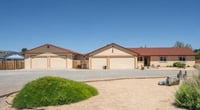
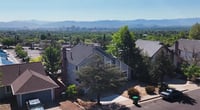
It should take no more than 15 minutes to post a property online in Reno. However, many landlords have gone weeks without inquiries after posting their ads due to easily overlooked preparation steps. If the quality of the photos, rental pricing, and property description are not up to par, no matter how many sites you post on, you won't get any responses. Conversely, if you have these three elements in order, it's not uncommon to receive inquiries within a day or two of posting. Reno has a diverse tenant pool, including tourists, logistics workers, and tech employees that have increased in recent years, so including commuting conditions in the property description can be helpful.
According to RentCafe data as of July 2026, the average rent in Reno is $1,803. This is a 5.72 percent increase from $1,705 a year ago. Zumper reported an average of $1,795 during the same period, with one-bedroom units averaging $1,297 and two-bedroom units around $1,730. This indicates that the Reno rental market has gradually increased over the past year, and if you set your rental price based on last year's figures, you risk pricing below the market rate. It's important to keep in mind that a small difference in numbers can significantly affect your income over the year. The narrowing gap of about $10 between the two sources suggests that the market rates are converging to a similar level.
Often, it's sufficient to post your ad directly on major listing sites like Zillow Rental Manager or Apartments.com. Take photos during the day when natural light is available, and clearly state the rent, security deposit, move-in date, and pet policy to increase inquiries. If there are any recently replaced facilities or appliances, mentioning them in the property description can help differentiate your listing from others.
Once inquiries come in, the next step is screening. This is typically based on credit score, income verification, and previous rental history. The income requirement is generally three times the rent, and credit checks are conducted with the applicant's consent. The criteria for judgment should be limited to credit, income, and rental history, and avoiding filtering applicants based on other factors is essential. Reviewing applications in order as they are received helps reduce potential issues later on.
The lease should specify the rent amount and due date, security deposit conditions, maintenance responsibilities, contract duration, and notice procedures for renewals and rent increases. In Nevada, the maximum security deposit is three months' rent for unfurnished homes and one and a half months' rent for furnished homes. The return of the deposit is typically within 30 days after move-out, and if the deadline is exceeded, you may have to pay double the unjustly held amount plus up to $1,000 in additional damages. When evicting a tenant, the standard procedure is to provide a 7-day notice for non-payment of rent, a 5-day notice for lease violations, and a 30-day notice for month-to-month lease terminations. Including seasonal maintenance items unique to the Reno area, such as winter heating pipe issues, in the lease can help reduce disputes over responsibilities later on.
Additionally, insurance needs to be addressed. Once you start renting out a home, standard homeowners insurance for residents may not be sufficient, so you may need to switch to landlord insurance or add endorsements. Specifying in the lease that tenants must obtain renters insurance ensures that any accidents involving their personal belongings are handled by their insurance first. It's standard to charge a screening fee that does not exceed the actual cost of the credit check, and when there are multiple applicants, reviewing them in the order they are received helps minimize complications. Reno experiences significant climate differences between snowy winters and dry summers, so clearly defining seasonal management responsibilities in the lease can be beneficial later on. This article is intended for general informational purposes, and it is advisable to consult a real estate professional or attorney before finalizing any contracts.
 FingerJax
 Wave70






 Sugar Cream Door Bulletproof Noodles |
 urbanmint |
 |
| 
 Premium Gas Camp |
 CA Real Estate |
 Nevada Teppanyaki |
 Marisol |
 zoryan |
 Nevada Vegas UNLV |
 churrotop |
  swiftlane |
  allstar realty |
  mystery |
  dermoon |
  UCLA Captain |
  lattecu |
  dynamite |
  frostingline |
  Hakuna Matata |
  Your Curiosity Resolved |
  Way to easy |
  Chino Min |
  nexabyte |
  moonshine 7 |
  Sunset Oregon |
  victoria 68 |
  golfmaster |
  Montgomery Mom |
  squidogame |