

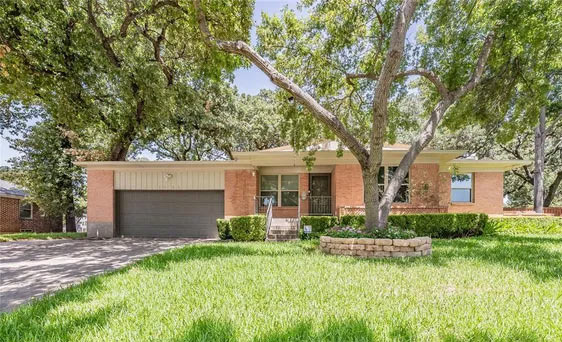
The median household income in Irving is about $65,000.
This figure is approximately 17% lower than the national average of $78,538, but due to the area's concentration of global companies, the income distribution is quite broad.
Looking at the numbers, Irving may seem like a small city, but it has a unique employment ecosystem with the North American headquarters of global companies. Companies like Ericsson, Cisco, Microsoft, and Ford Financial are located in the Las Colinas business district, and the salaries for mid-level management and engineering positions at these companies often exceed $100,000. In contrast, workers in the DFW airport-related services and manufacturing sectors tend to earn relatively lower wages, resulting in an overall median income of around $65,000.
The demographic composition of Irving is also noteworthy. The Hispanic population accounts for about 42%, and the Asian population (including Indian, Chinese, and Korean) is around 15%. This multicultural makeup is a strength for the city and contributes to a wider income distribution. Recently, the growth of the Asian community has led to an increase in Korean, Indian, and Vietnamese restaurants and markets, diversifying the local living infrastructure.
Examining the real estate market, the median home price in Irving is around $320,000, with a Price-to-Income Ratio of about 4.9. This figure is lower than the median home prices in downtown Dallas (approximately $400,000 to $450,000), and considering the accessibility to the area with a concentration of global companies, it can be seen as relatively reasonable. In Texas's no-income-tax environment, the actual purchasing power may be higher than nominal figures suggest.
In the rental market, the average rent for a one-bedroom apartment in Irving ranges from $1,300 to $1,600 per month. The housing cost as a percentage of median income is about 24% to 29%, generally meeting the recommended threshold of 30%. Apartments near the Las Colinas business district have a low vacancy rate due to corporate rental demand, making it a region with a stable demand base from an investment perspective.
Data shows that the proximity to DFW International Airport is a key asset for Irving. Executives from multinational companies who frequently travel for business value airport accessibility, which enhances the quality of residential demand in Irving. Recent expansions of the DART light rail have also improved connectivity with downtown Dallas, making it an emerging option for commuters who rely on public transportation.
The figures indicate that Irving has a more complex economic structure than the $65,000 median income suggests. The broad income spectrum between high-income professionals in global companies and low-wage workers in airport and service industries, combined with Texas's no-income-tax benefits, likely results in a real standard of living that is often higher than nominal income levels. If you are considering investment, it is essential to focus on the rental demand and trends of corporate influx near the Las Colinas business district.
 GimbapCoaster
 StarlitTalk




 |
| 
 Premium Gas Camp |
 CA Real Estate |
 cheesepup |
 breezem |
 yorvik12 |
 zentra95 |
 wexlin84 |
 axelon47 |
  La Bean |
  American History This and That |
  Monte Sori |
  U donn |
  Sarah's Blog |
  Holy Cow |
  monster |
  houston mama |
  Reggae Party |
  Thou Thou |
  Tennessee Land |
  custardnew |
  Chimhanbang Korea ACU |
  See South Carolina |
  dorex |
  Taek Jun |
  Choi Cho |
  Anova US Beauty Information |
  whiskerbread |
  Yo Lock Me Up |