
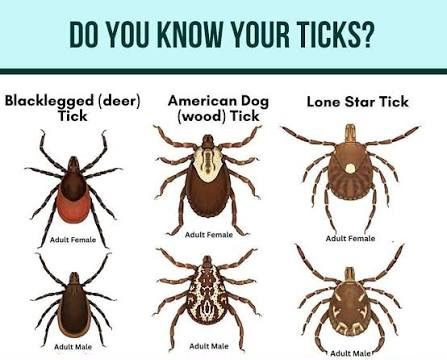
When moving to the Midwest, it seems like there are few hurricanes and no desert scorpions, so you might think you don't have to worry much about bugs.
However, after living in Wisconsin for a few years, your perspective changes. There are definitely diseases that you need to be particularly cautious about in this region. Lyme disease, in particular, is classified as endemic across all counties in Wisconsin.
Madison has Lake Mendota and Lake Monona, and just a little way out, you find forests, parks, and trails.
There are places like the UW-Madison Arboretum. The natural environment is truly beautiful, but ticks also live in that nature.
The most representative disease is Lyme disease. The blacklegged tick, commonly known as the deer tick, transmits it. It used to be concentrated in the northwestern part of Wisconsin, but now it is found throughout the state. In 2024, there were a record 6,469 reported cases of Lyme disease in Wisconsin. From 2019 to 2023, there were an average of about 4,600 cases reported each year, so it's not a disease to think of as a "rare illness you might catch if you're unlucky while visiting the woods."
If you contract Lyme disease, you may experience fever, fatigue, and headaches, and a famous target-shaped rash may appear. If left untreated, it can lead to joint or neurological issues, but it is a treatable disease with appropriate antibiotics.
And just because people in Wisconsin talk about Lyme disease doesn't mean that's all there is.
The same deer tick also transmits anaplasmosis, which is the second most common tick-borne disease in Wisconsin. Other diseases include babesiosis, ehrlichiosis, Borrelia miyamotoi infection, and Powassan virus.
Especially the Powassan virus has a name that sounds unfamiliar. While it is very rare, it can progress to neurological diseases like encephalitis or meningitis if severe. In 2024, there were 12 reported cases in Wisconsin. There is no specific treatment for it, so prevention is important.
So, is it necessary to avoid the forests of Wisconsin altogether?
People in Wisconsin have made tick checks a part of their outdoor activities. When they return home, they check areas where ticks like to hide, such as inside their hair, around the ears, armpits, waist, groin, and behind the knees while showering. Wearing long pants and using EPA-registered repellents also helps. You can also use permethrin-treated products on clothing and gear.
There are also mosquitoes. In Wisconsin, mosquito-borne infections, including West Nile virus, occur. In 2024, there were 32 reported cases of West Nile virus infection. In Madison, which has many lakes and wetlands, using mosquito repellent during outdoor activities on summer evenings is not an unnecessary fuss.
And in the Midwest, there is one more thing to be aware of besides bugs: fungal diseases. In Wisconsin, blastomycosis and histoplasmosis, which occur from exposure to fungi present in the soil or environment, are also observed. The state health authorities manage these two diseases separately.
So, if you ask, "Are there endemic diseases in the Midwest?" the answer is definitely yes.
However, that doesn't mean Wisconsin is a dangerous area for infectious diseases. Most people live their lives without any major issues. But for those coming from California or Korea, the culture of dealing with ticks may be unfamiliar.
Summer in Madison is truly beautiful. You should ride bikes by the lakes, walk through the woods, go camping, and have barbecues.
Instead, it should become a habit to shake off your pants and check for ticks when you come back inside. That's how you can truly enjoy nature.
 ShareDonkey
 SalaryFlies
 DakotaThanx








 Karina's Blog |
 Jimbeam 88 |
 Taco Bell Candy Note Blog |
 Splendid Mission |
 Florida Gario |
 winter |
 marketbox |

 planeto |
 My Love Bambino Alaview |
  coloradoman |
  lumora |
  Valley Bang |
  pravix22 |
  Cohesive Kong |
  werehere |
  problemo |
  galaxy88 |
  breezelove |
  Minnesota Sonata N |
  hazelnut |
  Korean News American Blog |
  AH LALA |
  Savion |
  pintos |
  Good Good |
  oh my salami |
  Lemonade Cider Planning Director |
  Way to easy |