
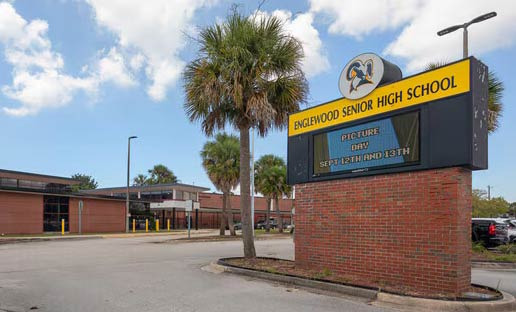
Recently, a family bought a house expecting a school score of 9, but after moving in and visiting the school, they were disappointed as it was different from what they had imagined.
The discrepancy between scores and actual experiences is due to the limited criteria used by GreatSchools ratings. This rating reflects test scores, academic growth, and college readiness, each accounting for 33%, calculated on a scale from 1 to 10. Factors that cannot be quantified, such as classroom atmosphere, communication with teachers, and the quality of after-school programs, are not included.
Recently, the equity metrics that assess the performance gap of disadvantaged students have gained more weight, but this still tells a different story from the lived experience of school life.
College readiness is calculated not only based on SAT or ACT results but also includes participation rates in AP courses and dual enrollment. AP allows high school students to take college-level courses and exams, while dual enrollment lets them earn community college credits while attending high school. This rate varies significantly from school to school, meaning that even with the same test scores, college readiness scores can differ.
To better understand the actual ratings within Jacksonville, consider a few examples. Jacksonville Beach Elementary School has a score of 10, the charter school Jacksonville Classical Academy has a score of 9, and John Stockton Elementary School also received a score of 9. In contrast, Gregory Drive Elementary School has a score of 4, and Duval Charter School At Westside has a score of 3. There is a significant variation among schools even within Jacksonville.
Another factor contributing to this variation is the equity metric. It separately calculates the performance gap between disadvantaged and non-disadvantaged student groups, awarding higher scores for smaller gaps. Even if average test scores are similar, differences in this metric can lead to varying overall ratings.
Among the cases I reviewed, there was a family that moved near a school with a score of 9 but expressed disappointment because they hadn't read reviews in advance and found that a specific program was run differently than expected. Scores are based on past test results, and recent changes like school administration or principal changes are not immediately reflected in the ratings. It's good to remember that there is a lag in how ratings are updated.
Therefore, it is safer to check a few additional factors beyond the scores. Looking at the trend of rating changes over the past 2-3 years can give insight into whether the school is improving or declining. Reading reviews left by parents and students can also provide a sense of the atmosphere that scores alone may not reveal. The student-to-teacher ratio is also information not included in the ratings and should be checked separately.
Recently, it seems that tenants looking for rentals are increasingly checking school ratings. Areas with high ratings tend to have consistent rental inquiries, but there is no guarantee that this trend will continue, and it's important to remember that ratings are recalculated every year.
The most important step is to verify whether the address you are looking at is actually assigned to that school. In Duval County, where Jacksonville is located, school district boundaries can be divided by roads, so the school name listed on real estate websites may differ from the actual assigned school. The most reliable method is to enter the address directly on the school district website to confirm before signing any contracts.
In areas preferred by Korean families, I often see decisions being rushed based solely on scores. Actually visiting to check the atmosphere and re-confirming the assigned school on the school district website tends to reduce regrets. Developing the habit of considering ratings, reviews, and assignment confirmations together is ultimately the most reliable approach.
 OceanBuddy
 HoneyWalker








 moo moo |
 ultron78 |
 garlic bread |
 Sugar Cream Door Bulletproof Noodles |
 urbanmint |
 Taco Bell Candy Note Blog |
 Mia Flori |
 US Home Buying Information Home Insurance |
 Well Done Sir |
  road98 |
  Churros Train Conductor |
  gleeful |
  Burbank Lee |
  Olivia's Blog |
  Bushing Around Life |
  Active |
  Cherokee Rose |
  Kor. Master |
  Holey Moley |
  Conflite Teacher |
  Hodong Prince Over Flex |
  Mist inn |
  citrus pop |
  Onion Ring |
  phoenixia |
  viewtop |
  loverun |
  Kim Do Sun |
  SEVEN SEVEN |