

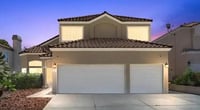
This is the story of someone who inherited a house in Plano and was unsure whether to sell it or rent it out. Selling would provide a lump sum, but there was uncertainty about how property values in the area would change in the future, and managing a rental seemed burdensome. Weighing both options, they ultimately decided to rent it out and will share the process they followed.
When comparing selling and renting side by side, each option has its pros and cons. Selling allows for a one-time cash influx, but it means giving up any future appreciation in property value, while renting generates monthly cash flow but comes with the responsibilities of tenant management and maintenance. If you choose to rent, you need to determine the rental price. According to RentCafe data, the average rent in Plano is $1,689 per month (as of August 1, 2026), which is a 2.26 percent decrease from a year ago. A one-bedroom unit averages around $1,470. Since conditions can vary even within Plano, it's wise to find and compare several listings that are similar in size and school district to your own home.
When setting the rental price, you should consider fixed costs like property taxes and insurance to avoid regrets later when comparing it to a potential sale. The advantage of either option can vary based on how long you plan to hold the property and your financial strategy, so it's best to do the math rather than make a definitive choice.
Once the rental price is set, you can list the property on online rental platforms. Clearly state the number of bedrooms and bathrooms, pet policy, parking availability, and move-in date to filter inquiries effectively. When receiving applications, requesting proof of employment or pay stubs can make income verification easier.
When inquiries come in, it's time for the screening process. Basic checks include credit score, income verification (at least three times the rent), and previous rental history. Since this is an inherited home that holds sentimental value, it's important not to rush through the screening process and to verify everything thoroughly for peace of mind later.
The lease should include the rental price, payment due date, late fees, security deposit terms, repair responsibilities, and lease duration. It's also advisable to outline the maximum late fee and pet-related conditions. In Texas, there is no legal cap on the amount of the security deposit, but you must return the full amount or provide a written notice detailing any deductions within 30 days of the tenant moving out and providing their new address. If you miss this deadline, you lose the right to deduct, and if deemed unfairly withheld, you could be liable for up to three times the amount plus attorney fees.
If rent is overdue, and the lease does not specify otherwise, you must first send a written notice to vacate at least three days before you can file for eviction in court.
On move-in day, it's a good idea to create a move-in checklist with the tenant to document the condition of the house. Recording the state of the walls, floors, and appliances can help later when comparing the decision to rent versus sell.
Collecting rent can be made easier by using bank transfers or online rental payment services, which leave a record. Establishing how to request repairs and emergency contact methods at the beginning of the lease can help reduce the burden of managing an inherited property.
If the lease transitions to a month-to-month agreement, Texas law requires that you notify the tenant at least one month in advance before raising the rent. This can also serve as a point to reconsider whether to continue renting out the inherited home.
What's right between selling and renting varies by situation. However, if you choose to rent, following these steps can help minimize regrets. Specific conditions may vary by county or contract details, so it's advisable to consult a real estate professional or attorney before proceeding. Regardless of the choice, taking your time to review each piece of information before making a decision is the best way to avoid future regrets.
 SteamEggChase
 redriverwalker2003







 Sugar Cream Door Bulletproof Noodles |
 urbanmint |
 |
| 
 Premium Gas Camp |
 CA Real Estate |
 vrixen73 |
 Hajiwon Blog Hair Salon |
 Dala Dala |
 sunny flower |
  UCLA Captain |
  lattecu |
  dynamite |
  frostingline |
  Hakuna Matata |
  Your Curiosity Resolved |
  Way to easy |
  Chino Min |
  nexabyte |
  moonshine 7 |
  Sunset Oregon |
  victoria 68 |
  golfmaster |
  Montgomery Mom |
  squidogame |
  Noodle Noodle |
  Rhode Island Good People |
  Big North |
  Famous Attractions in the United States |
  Jin Soo V |