
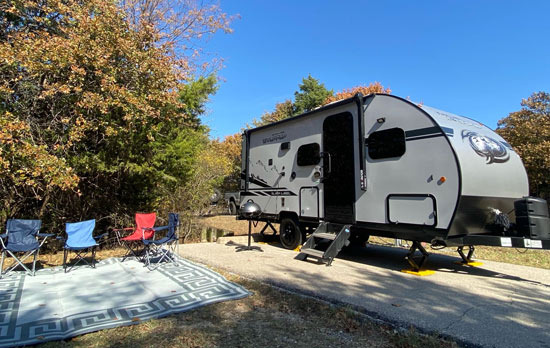
Before moving to Texas, when I thought of camping, I would picture places like Colorado or Yellowstone.
So honestly, I didn't expect much camping in Plano. Given its strong image as a typical suburban residential city, I thought it would be hard to spend a night in nature. However, after living here, my perspective has changed a bit. Just a short drive away, there are surprisingly good campgrounds, and the ways to enjoy them vary quite a bit with the seasons.
The most accessible places for camping in Plano are the lake campgrounds in Collin County. East Fork Campground, located in Wylie, has over 70 sites, including tent-only sites. Lavonia Campground is also not far from Plano and is a great spot for quiet camping with a view of the lake. Clear Lake Campground can be reached in about 30 minutes by car, making it a convenient place for an overnight trip. All of these campgrounds have well-established reservation systems and are relatively well-maintained.
If you're looking for a more serious camping experience, I would recommend Ray Roberts Lake State Park. This place offers not only camping but also fishing, kayaking, boating, and hiking, making it feel like a day isn't enough. I appreciated that the sites are spacious, allowing for a more relaxed camping experience. Cedar Hill State Park is also very popular among family campers. It has programs for kids and plenty of grassy areas, making it a busy spot for tents and RVs on weekends.
For those just starting out with camping, using a KOA campground is a good choice. McKinney North/Celina KOA Holiday and Sanger/Denton North KOA Journey are well-equipped with showers, electricity, and water supply, making it less daunting for beginners. You can still enjoy the camping atmosphere with just a tent.
The seasonal characteristics are also a bit different from Korea. Personally, I recommend the spring season from March to May.
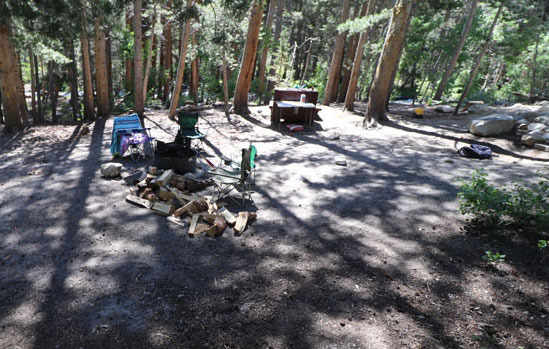
The daytime temperatures are around 20 degrees, making it pleasant, and wildflowers start to bloom, enhancing the scenery.
However, in spring, storms with thunder, lightning, and hail can occur suddenly, so it's best to check the weather forecast before heading out.
Summer, as expected in Texas, is not easy. From June to August, daytime temperatures often exceed 35-40 degrees, turning the inside of a tent into a sauna quickly. Most campers tend to arrive late in the afternoon, spend time after sunset, and leave early in the morning. During this time, many people enjoy swimming or kayaking in the lake. There are a lot of bugs and mosquitoes, so insect repellent is essential.
Fall is again the best season for camping. From late September to November, humidity decreases, and cool breezes at night make it perfect for sitting by a campfire. This is also the peak season for Texas campgrounds, so popular sites often get fully booked weeks in advance.
Winter surprisingly offers decent camping opportunities. Since it's not an area that gets a lot of snow like northern states, there are many clear days, and comfortable weather for activities is common. However, when a cold snap hits, temperatures can drop below freezing, so it's important to prepare sleeping bags and winter gear.
If you don't have time for camping on the weekends, taking a walk in Arbor Hills Nature Preserve or Oak Point Park in Plano is a good alternative. Just a few hours in nature can clear your mind significantly.
Living in the city, there are days when you want to see lakes and trees instead of buildings and roads. On those days, just a 30-minute to 1-hour drive from Plano leads you to nature where you can set up a tent. While Texas may not be the birthplace of camping, my honest feeling after visiting is that the accessibility and facilities exceed expectations.
 ORAVEZIN
 DiabetoNaldo







 candytip |
 Gold Bar |
 Pirate Ship Popcorn Maker |
 Montgomery Mom |
 Anjollinya Blog |
 Hajiwon Blog Hair Salon |
 Zoom Zoom Zoom |
 Dala Dala |
 Texas Lone Star Longhorn Spirit |
 vrixen73 |
  vibranto |
  Tora Tora |
  yellowbutter |
  Dolly |
  US Embassy |
  NYC saladbar |
  Finding Superfoods |
  lightyear |
  song bang |
  vexomo |
  Indiana Jones |
  meloncat |
  novapixel |
  mortrix |
  Esther 1983 |
  fortbliss |
  Moscow Kim |
  My Two Way |
  toastyfox |
  FLORIDA Acus |