

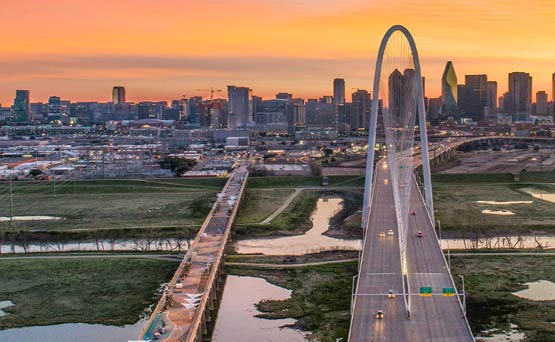
Located north of Dallas in the DFW Metroplex, Plano frequently ranks as one of the best cities to live in the United States.
However, being 'livable' does not mean it is 'affordable.' With a cost of living index estimated at 112, Plano is about 12% higher than the national average (100). Excellent school districts, low crime rates, and a vibrant job market are reasons people are drawn to this city, but they come with a cost.
Housing costs are a key factor driving up the cost of living in Plano. As of 2024, the average monthly rent for a two-bedroom apartment in Plano is estimated to be between $1,500 and $1,900. This places it in the upper range of the national median rent ($1,500 to $2,200) and is higher than neighboring Dallas (cost of living index 102) or Arlington (98). The median home sale price is estimated to be between $400,000 and $520,000, especially in areas with good school districts. The Plano Independent School District (Plano ISD) is rated as one of the top school districts in Texas, which drives up housing demand.
Grocery costs are somewhat alleviated thanks to Texas's exemption from grocery sales tax. Plano has a variety of grocery stores, including Whole Foods, Trader Joe's, H-E-B, and Kroger, providing plenty of options. The H Mart in Plano, which is important for Korean households, serves as a hub for the DFW Korean community and is easily accessible. The estimated monthly grocery bill for a family of four is around $800 to $1,150.
Transportation costs reflect the characteristics of the DFW Metroplex. The DART light rail Red Line runs through downtown Plano, connecting to downtown Dallas, offering more public transportation options than other cities in Texas. However, getting around within Plano is often more efficient by car. Monthly transportation costs vary depending on whether a DART pass is used, with estimates around $500 if primarily using a personal vehicle.
Utilities are influenced by Texas's climate. Summers in the DFW area can be hot, leading to significant cooling costs, and heating costs must also be considered for occasional cold snaps. The estimated combined monthly utilities for electricity, gas, and water are around $250. Plano is served by Oncor electric service, allowing residents to choose their provider in Texas's deregulated electricity market to manage costs.
Compared to other areas in the DFW Metroplex, Plano (112) is more expensive than Dallas (102), Fort Worth (98), and Arlington (98), but less expensive than Austin (118). The concentration of the Korean population is among the highest in the DFW area, alongside Garland. The community infrastructure, including Korean churches, restaurants, Korean language schools, and taekwondo studios, is well established, and Samsung Electronics' U.S. headquarters is also located in Plano, resulting in a high percentage of Korean professionals.
For Korean households, Plano appears to be a suitable option for families prioritizing school quality and safety. While the cost of living is indeed 12% higher than the national average, considering that Texas has no state income tax, the actual burden is significantly lower compared to similar school districts in California or New York. When planning a move, it seems efficient to review the boundaries of the Plano ISD and the housing budget together.
 CommuteHell
 reator1977




 moonshine 7 |
 golfmaster |
 Tesla X |
 Another Eden Channel BLOG |
 Victory 1988 |
 vrixen73 |
 Hajiwon Blog Hair Salon |
 Dala Dala |
 sunny flower |
  churrotop |
  swiftlane |
  allstar realty |
  mystery |
  dermoon |
  UCLA Captain |
  lattecu |
  dynamite |
  frostingline |
  Hakuna Matata |
  Your Curiosity Resolved |
  Way to easy |
  Chino Min |
  nexabyte |
  Sunset Oregon |
  victoria 68 |
  Montgomery Mom |
  squidogame |