

Irvine is a city located in Orange County, California, known for its planned community. The history of Irvine dates back to the Native American era, followed by the Spanish colonial period, Mexican rule, and its transformation into part of the United States.
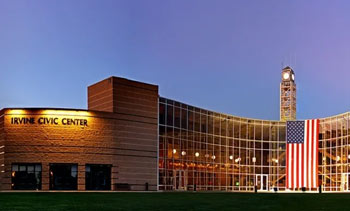
During the Native American era and early settlement, several indigenous peoples, including the Acjachemen tribe, have inhabited the Irvine area for thousands of years. They utilized the abundant natural resources to sustain their livelihoods through agriculture, fishing, and hunting, and had a complex social structure and rich cultural traditions. The arrival of Spanish explorers in the late 18th century marked a significant change in the lives of the indigenous people.
Spanish Colonization and Mexican Rule During the Spanish colonial period, several missions were established in the Irvine area, spreading Christianity to the indigenous people and introducing European-style agriculture and livestock farming. In 1821, when Mexico gained independence from Spain, the Irvine area became part of Mexican territory, and later, after the Mexican-American War in 1848, it became part of the United States. During this time, land ownership and agricultural production further developed, and the Irvine area formed an economy primarily centered on agriculture and livestock.
The Irvine Company and Development as a Planned City In the 1960s, the Irvine Company announced a large-scale development plan for the area, marking the beginning of modern development in Irvine. The Irvine Company aimed to create an ideal living environment by developing residential areas, commercial zones, and parks under thorough planning and management. This planned development played a significant role in the growth of Irvine as a stable and orderly city. Additionally, the establishment of the University of California, Irvine in 1965 solidified its position as a center for education and research.
In 1971, six years after the establishment of the University of California, Irvine, the California state government, in collaboration with the real estate company Irvine Company, began developing it as a corporate planned city.
Modern Irvine Today, Irvine is a metropolitan area with a population of over 280,000, having developed into a multicultural society where diverse cultures and ethnicities coexist. Irvine is popular among family-oriented residents due to its high education levels, safe living environment, excellent educational institutions, and various economic activities. Various industries, including technology, life sciences, and finance, are thriving, and educational and cultural facilities such as the Irvine Science Center are well-equipped. Additionally, the beautiful parks and natural environment allow residents to enjoy a variety of recreational activities.
The history of Irvine has undergone a long journey from the Native American era through Spanish colonization, Mexican rule, and its transformation into a prosperous city today. Through thorough planning and continuous development, Irvine continues to grow and change, and it is expected to become an even more attractive city in the future.





 moo moo |
 ultron78 |
 garlic bread |
 Sugar Cream Door Bulletproof Noodles |
 urbanmint |
 Piano Teacher Blog |
 Kkikki Ppappa Shout Out Loud |
 Coco and Lulu |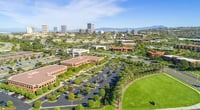
 U.S. Weather Bureau News |
 American Airlines Mileage |
  DREAM BIG |
  frostbite |
  330 Forever My Love |
  El Dorado |
  dralix58 |
  Gorama Round |
  Skydiving |
  dreamport |
  Yellow Snowman |
  Toaster Pizza Magic Show |
  velvetnom |
  Anytime Journey |
  Mrs. Duluth |
  jaxter |
  Atlanta Mama |
  Baguette Blog |
  Tan Sol |
  US Embassy |
  Korean Mom |
  My NYC |