
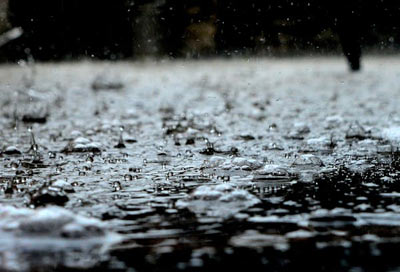
Santa Monica receives an average of about 35 days of rain per year. This figure is relatively low compared to other major cities in the United States, with most rainfall occurring in the winter and early spring. There is almost no rain in the summer, but sudden downpours can occur during the monsoon season.
Monthly Average Precipitation
The monthly average precipitation in Santa Monica is as follows:
- January: about 3.0 inches
- February: about 3.0 inches
- March: about 3.0 inches
- April: about 1.5 inches
- May: about 0.7 inches
- June: about 0.3 inches
- July: about 0.1 inches
- August: about 0.2 inches
- September: about 0.3 inches
- October: about 1.2 inches
- November: about 2.0 inches
- December: about 3.1 inches
Main Features:
- Winter (December to February): The period with the most rain, with frequent thunderstorms occurring in coastal areas.
- Spring (March to May): Rain gradually decreases in spring, leading to dry weather. However, strong thunderstorms can occur in March due to monsoon influences.
- Summer (June to August): Very dry, with short and intense downpours occurring rarely during the monsoon season.
- Autumn (September to November): Rain increases again in autumn, especially in October and November, when monsoon influences can lead to higher precipitation.
Annual Average Snowfall
Santa Monica has a primarily coastal climate, resulting in almost no snowfall.
Record High Rainfall and Snowfall
Record High Rainfall: The highest recorded rainfall in Santa Monica occurred during a storm in January 1995, with 5.0 inches (about 127mm) of rain. This rainfall was concentrated over a short period, causing severe flooding and inundation in the area.
Record High Snowfall: The highest recorded snowfall in Santa Monica was 0.6 inches (about 15mm) of snow in February 1932. This was a very rare event, as most weather conditions see little to no snowfall.
Climate Characteristics
Santa Monica is characterized by mild and humid weather throughout the year due to its coastal climate. Here are the climate characteristics of Santa Monica:
- Coastal Climate: Santa Monica has a marine climate, maintaining mild temperatures and humid weather year-round. Particularly in winter, the weather remains relatively mild rather than experiencing extreme cold.
- Frequent Rain: Influenced by its marine climate, Santa Monica does not see rain frequently throughout the year, but tends to receive rain in winter and early spring.
- Temperature Variation: High temperatures are recorded in summer, but due to coastal influences, temperatures can drop sharply at night. Winter maintains mild temperatures, with extreme temperature variations being rare.
- Monsoon Influence: During the summer monsoon season, short and intense thunderstorms can occur due to the influence of the northwestern monsoon, leading to sudden downpours. This increases the risk of flooding and inundation.
Santa Monica's climate features the characteristics of a coastal climate, with an average of 35 rainy days per year and monthly average precipitation varying according to the seasons and monsoon influences.




 U.S. Weather Bureau News |
 Exploring American Life Information |

 Conflite Teacher |
 Soy Angelino |
 Korean Mom |
  My NYC |
  moo moo |
  Mr Oh |
  forevergee |
  festival |
  manchester |
  constant |
  Leapfrog Move |
  vibranto |
  Tora Tora |
  yellowbutter |
  Dolly |
  US Embassy |
  NYC saladbar |
  Finding Superfoods |
  lightyear |
  song bang |
  vexomo |
  Indiana Jones |