
Let's take a look at the average monthly temperatures in Alaska, the northernmost state of the USA, in both Celsius (°C) and Fahrenheit (°F). Due to its vast territory, Alaska experiences significant temperature differences depending on the region, but here we will explain based on a rough average temperature covering the entire state. Each of Alaska's four seasons has its own unique charm, so let's explore them together!
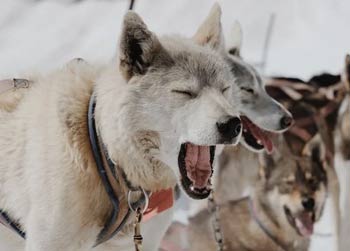
January: The Peak of Cold
January in Alaska is one of the coldest months. The average temperature drops to around -20°C (-4°F) to -30°C (-22°F), especially in inland areas where it is even colder. The snow-covered landscape is beautiful, but you need to prepare well for the cold!
February: Still Cold but Gradually Warming
February continues to have very cold weather, but it warms up slightly compared to January, with average temperatures around -18°C (0°F) to -28°C (-18°F). It's a perfect time for winter sports.
March: Signs of Spring Begin to Emerge
In March, temperatures start to rise a bit. The average temperature is around -10°C (14°F) to -20°C (-4°F), and as the snow begins to melt, signs of spring start to appear.
April: Gradually Warming Weather
In April, the average temperature rises to about -5°C (23°F) to -15°C (5°F). Daylight hours increase, and as the ice begins to melt, you can see nature waking up.
May: Full Bloom of Spring
In May, the average temperature rises to around 0°C (32°F) to -5°C (23°F). Spring flowers bloom, and as nature regains its vitality, you can enjoy the beauty of Alaska.
June: The Start of Summer
June marks the beginning of summer in Alaska, with average temperatures around 10°C (50°F) to 15°C (59°F). The warm days and cool nights create an attractive climate. The phenomenon of the midnight sun also occurs during this time!
July: The Warmest Month
July is the warmest month in Alaska, with average temperatures around 15°C (59°F) to 20°C (68°F). It's the perfect time for outdoor activities, and you can enjoy the lush nature.
August: Still Warm Summer
In August, summer temperatures continue, averaging around 14°C (57°F) to 19°C (66°F). Various festivals and events take place as you enjoy the last of summer.
September: The Start of Autumn
In September, the average temperature begins to drop to around 8°C (46°F) to 13°C (55°F). As the leaves start to change color, Alaska's autumn scenery becomes beautiful.
October: Deepening Autumn
In October, the average temperature ranges from about 2°C (36°F) to 7°C (45°F), as autumn deepens. Frost begins to fall, and it's a time when you can expect the first snowfall.
November: Signs of Winter
In November, the average temperature starts to drop again to around -10°C (14°F) to -5°C (23°F). It snows heavily, and it's time to start preparing for winter.
December: The Return of the Cold Wave
December is once again the month when the cold wave returns to Alaska, with average temperatures around -20°C (-4°F) to -25°C (-13°F). As the year ends, the snow-covered landscape of Alaska becomes even more magical.
Alaska is a special place where you can experience various climates due to its vast territory. Each of the four seasons has its own unique charm, so you can have a different experience no matter when you visit. Come and feel the beautiful nature and unique climate of Alaska for yourself!
Which season in Alaska do you find the most attractive? Share your thoughts in the comments! See you in the next post~






 AL ALASKA |
 Information on Area Codes in the Americas |

 Alaska Kim |

 Omelet Rice for Strength |
  Korean Mom |
  My NYC |
  moo moo |
  Mr Oh |
  forevergee |
  festival |
  manchester |
  constant |
  Leapfrog Move |
  vibranto |
  Tora Tora |
  yellowbutter |
  Dolly |
  US Embassy |
  NYC saladbar |
  Finding Superfoods |
  lightyear |
  song bang |
  vexomo |
  Indiana Jones |