

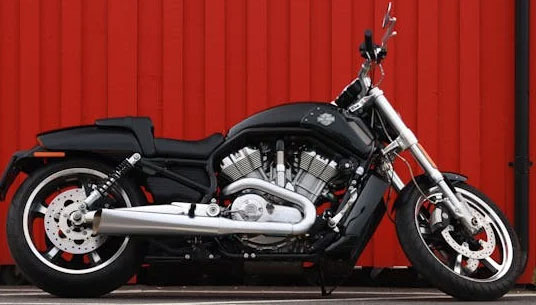
Harley-Davidson was founded in 1903 in Milwaukee, Wisconsin, by William S. Harley and the Davidson brothers: William Davidson, John Davidson, and Arthur Davidson. Initially, they began by creating and selling small engines that could be mounted on bicycles. With this engine, they produced the first Harley-Davidson motorcycle in 1903, which was called 'Model A'.
By 1907, Harley-Davidson had rapidly grown, producing over 1,000 motorcycles, and by the 1910s, it had established itself as the largest motorcycle manufacturer in the world. During World War I, Harley-Davidson supported the military by producing motorcycles in large quantities. After the war, the company continued to grow and became an iconic brand of motorcycles in the 1920s.
In the 1950s and 1960s, the company faced challenges due to the emergence of competitors and a lack of technological innovation. However, in the 1980s, it was acquired by a large corporation called AMF, and in 1981, it was re-listed as a public company, leading to significant changes under new management. Afterward, Harley-Davidson redefined its brand value and adopted a premium strategy, emphasizing an 'authentic riding culture'.
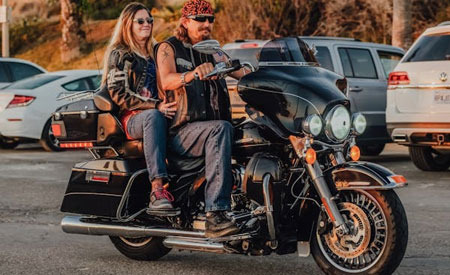
Today's Harley-Davidson
Currently, Harley-Davidson is a global motorcycle manufacturer, producing premium motorcycles, accessories, and clothing. Harley-Davidson not only focuses on motorcycles but also builds strong consumer loyalty based on its unique brand culture. Additionally, it strives to strengthen communication with younger generations by launching modern and innovative models.
Harley-Davidson is more than just a motorcycle manufacturer; it is a company that has built a strong brand culture. The consumer culture of Harley-Davidson emphasizes identity, freedom, and innovation. Based on this, the following cultural characteristics emerge among fans.
Freedom and rebellious spirit
Harley-Davidson is associated with a culture where riding a motorcycle symbolizes freedom and rebellion. Through this, consumers feel they can express their individuality and have a unique style. As the slogan "Live to Ride, Ride to Live" suggests, Harley-Davidson has made riding not just a means of transportation but a way of life.Brand loyalty
Consumers of Harley-Davidson often feel that they are not just purchasing products but buying into the brand's lifestyle. Riding a Harley-Davidson motorcycle is a form of cultural pride, and consumers show strong loyalty to the brand. Many consumers customize their motorcycles and participate in various events or motorcycle clubs, proudly considering themselves part of the Harley-Davidson community.Customization and personalization
Harley-Davidson offers unique customization options that allow consumers to personalize their motorcycles to their style. This is an important factor that strengthens the emotional connection with the brand. The act of customizing a Harley-Davidson motorcycle in one's own way serves as a cultural element that provides consumers with opportunities for individuality and self-realization.Community and belonging
Harley-Davidson owners join the Harley Owners Group (H.O.G.) motorcycle club, participating in various activities such as riding events, gatherings, and trips. This community serves as a place where they can feel intimacy and belonging, going beyond just a gathering of motorcycle enthusiasts. Harley-Davidson owners share not only rides but also life stories, maintaining close relationships based on a strong attachment to the same brand.Iconic image and intergenerational culture
Harley-Davidson started with a male-centric image, but has gradually strengthened marketing efforts targeting female consumers and younger generations. Models featuring modern designs and innovative technologies are gaining popularity not only among young riders but also among female riders. Through this, Harley-Davidson has positioned itself as a brand that transcends cultural differences across generations, appealing to various ages and genders.
In conclusion, Harley-Davidson is a brand that has formed a unique consumer culture that values freedom, individuality, and belonging, going beyond being a mere motorcycle manufacturer. Consumers express their identities through Harley-Davidson and experience various lifestyles associated with the brand, maintaining strong brand loyalty.






 El Dorado |
 lightyear |
 Moscow Kim |
 coloradoman |
 Montgomery Mom |
 middlekick |
 Forever Coco is Bangga |

 Wiscon Shin Blog |
 Superman Cat Blog |
  DREAM BIG |
  frostbite |
  330 Forever My Love |
  dralix58 |
  Gorama Round |
  Skydiving |
  dreamport |
  Yellow Snowman |
  Toaster Pizza Magic Show |
  velvetnom |
  Anytime Journey |
  Mrs. Duluth |
  jaxter |
  Atlanta Mama |
  Baguette Blog |
  Tan Sol |
  US Embassy |
  Korean Mom |
  My NYC |