
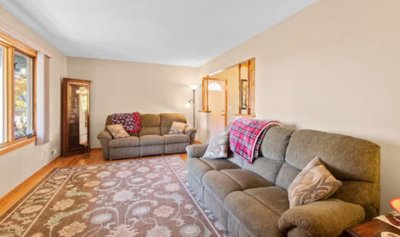
There is a story about an investor who, hearing that Cleveland has an undervalued real estate market, began looking for investment opportunities. When you check the actual numbers, there are several points to consider in order.
First is the home prices. According to Zillow, the average home value in Cleveland is $120,549, which has actually decreased by 2.3 percent over the past year. In contrast, Redfin reports that the median sale price over the last three months is $142,000, which is a 5.9 percent increase compared to the previous year. These two sources point in opposite directions because Zillow uses estimated values that include unsold homes, while Redfin only accounts for actual transactions. Looking at the recent market, properties that have been sold are being sold at higher prices, but the overall inventory value shows a gradual or declining trend as well.
Next is rent. According to Zumper, as of July 2026, the average rent in Cleveland is $1,250 per month, which is a 4 percent increase from the previous year. This is 36 percent lower than the national average. In popular areas like downtown Cleveland, rents can rise to as much as $1,710.
The last point to check is the price-to-rent ratio that separates these two. Dividing $120,549 by an annual rent of $15,000 gives about 8.0. Even using Redfin's $142,000, the ratio is around 9.5. Both calculations fall well below 15. According to industry standards, the calculations for sales are clearly in a favorable range.
This point also supports the perception that Cleveland is undervalued. However, just because the ratio is low does not automatically mean it is a good investment. The fact that the overall home prices in Cleveland have indicators of decline is a risk that investors need to consider. While rental yields may appear high, the possibility that the asset value itself may stagnate or decrease cannot be ruled out.
Looking at neighborhoods, areas like Cleveland Heights or Rocky River, which have good school district reputations, have home prices that are higher than the city average. In contrast, while rental demand near downtown remains steady, the increase in sale prices is relatively slow. Depending on the purpose, the choice of which area to look at may vary.
If considering rental investment, vacancy rates and management costs must also be factored in. A low price-to-rent ratio does not automatically guarantee rental income. It is necessary to calculate the actual yield considering tenant management, maintenance, and vacancy periods.
Before jumping in based solely on the undervaluation theory, it is important to also look at why prices are low. There are structural reasons such as population decline or changes in industrial structure, and simply being relatively cheaper compared to other cities requires different approaches. Carefully checking local economic trends and job indicators is the most reliable and safest way to avoid baseless optimism. Investors should take the time to separately check local employment indicators and population trends before making a purchase.
If the purpose is for personal residence, the situation is a bit different. The absolute price itself is low, and the purchase is relatively favorable compared to rent, so if there is not a significant burden for the down payment and there are long-term residency plans, the calculations for purchasing appear stable. However, property tax rates in Ohio can vary significantly by county, so families moving from other states may miss important details if they only judge based on their previous state.
Whether for investment or personal residence, it is important to recognize that there are significant variations between neighborhoods in Cleveland. Areas with good school district reputations and those near downtown behave differently in terms of prices and rental demand. School district boundaries change frequently, so it is advisable to check the assigned school for the specific address before purchasing.
This article is not investment or legal advice and does not guarantee any returns. It is recommended to consult with real estate and tax professionals before making any actual purchases.
 ChiliDesert
 urbanroadmaker1993








 Sugar Cream Door Bulletproof Noodles |
 urbanmint |
 |
| 
 Premium Gas Camp |
 CA Real Estate |
 radiant |
 Mr Cleveland |
 Gleeee |
 solid90 |
 Real Estate Investment Korean American |
  UCLA Captain |
  lattecu |
  dynamite |
  frostingline |
  Hakuna Matata |
  Your Curiosity Resolved |
  Way to easy |
  Chino Min |
  nexabyte |
  moonshine 7 |
  Sunset Oregon |
  victoria 68 |
  golfmaster |
  Montgomery Mom |
  squidogame |
  Noodle Noodle |
  Rhode Island Good People |
  Big North |
  Famous Attractions in the United States |
  Jin Soo V |