
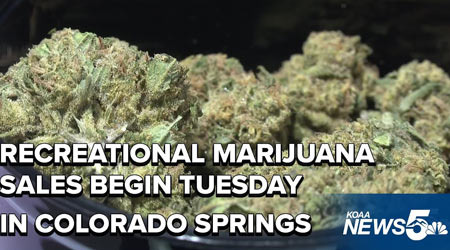
Colorado was one of the first states in the U.S. to legalize recreational marijuana through Amendment 64 in 2012.
Now, over ten years later, it seems worthwhile to examine what actual changes have occurred based on data.
Let's first look at the economic effects of marijuana legalization in Colorado.
Since legalization, the Colorado state government has utilized marijuana sales tax revenue for education, health, and infrastructure investments. According to the Colorado state revenue report, tax and fee revenue related to marijuana has reached billions of dollars since legalization, with a significant portion allocated to public school construction funds. Job creation in related industries has also taken place.
There are concerns from the opposition as well. There have been worries about increased access to marijuana for youth even before legalization. Actual data presents a complex picture. Some studies show that youth usage rates have not changed significantly or have slightly decreased compared to before legalization, while other studies analyze that availability has increased. This topic is still under discussion among researchers.
In terms of traffic safety, cases of driving under the influence of drugs (DUID) related to marijuana have become a topic of discussion since legalization. The Colorado Department of Transportation continuously monitors marijuana-related traffic accident indicators. Colorado has set a DUID standard of 5 nanograms per milliliter of THC in the blood, but there is scientific debate about whether this standard accurately reflects impairment in driving ability. It is positive that ongoing policy improvements are being made based on data.
Regarding the operation of dispensaries in Colorado Springs, there are separate regulations at the city level. Even if state law allows legalization, individual cities and counties can restrict or prohibit dispensary operations. Colorado Springs has applied relatively strict regulations to recreational marijuana dispensaries, but the situation has been changing in recent years. For the most accurate information, it is best to check the official Colorado Springs City website for the latest updates.
Medical marijuana has been legalized in Colorado since 2000 and can be accessed by patients with certain conditions through a doctor's prescription. Chronic pain, multiple sclerosis, symptoms related to certain cancers, and epilepsy are included among the conditions eligible for medical marijuana prescriptions. Those who obtain a medical marijuana card benefit from a lower tax rate compared to recreational use.
Individuals with immigration status need to be particularly cautious. Marijuana is still classified as a Schedule I substance under federal law, so marijuana-related offenses can impact immigration paperwork reviews. Transporting marijuana across state lines is also a violation of federal law and can lead to serious legal issues. It is safest to consult a legal expert regarding this matter.
From a balanced perspective, Colorado's marijuana legalization has certainly brought economic benefits related to tax revenue and the formation of related industries. At the same time, challenges such as youth protection, traffic safety, and conflicts with federal law remain to be addressed. As over ten years of data accumulates, increasingly refined policy adjustments are being made, serving as an important reference for other states considering legalization. I believe that assessing the actual effects of policies based on data is the fairest approach.
 AnaMom
 SbuxSnob






 Karina's Blog |
 Jimbeam 88 |
 Taco Bell Candy Note Blog |
 Splendid Mission |
 Florida Gario |
 Questions about firearms while living in America |
 Colorado Lee |


 Idaho's Sumi's House |
  Mr. Midwest America |
  wildfire |
  kerkee |
  legalway |
  postcard |
  cheesecake07 |
  My Miami Stories |
  windylotus |
  Mia Flori |
  velaro29 |
  velaro |
  foxtrot83 |
  moname |
  mapleline |
  US Legal Consultation on Trials |
  UNI Lover |
  California Dreamer |
  Choco Mint Creator |